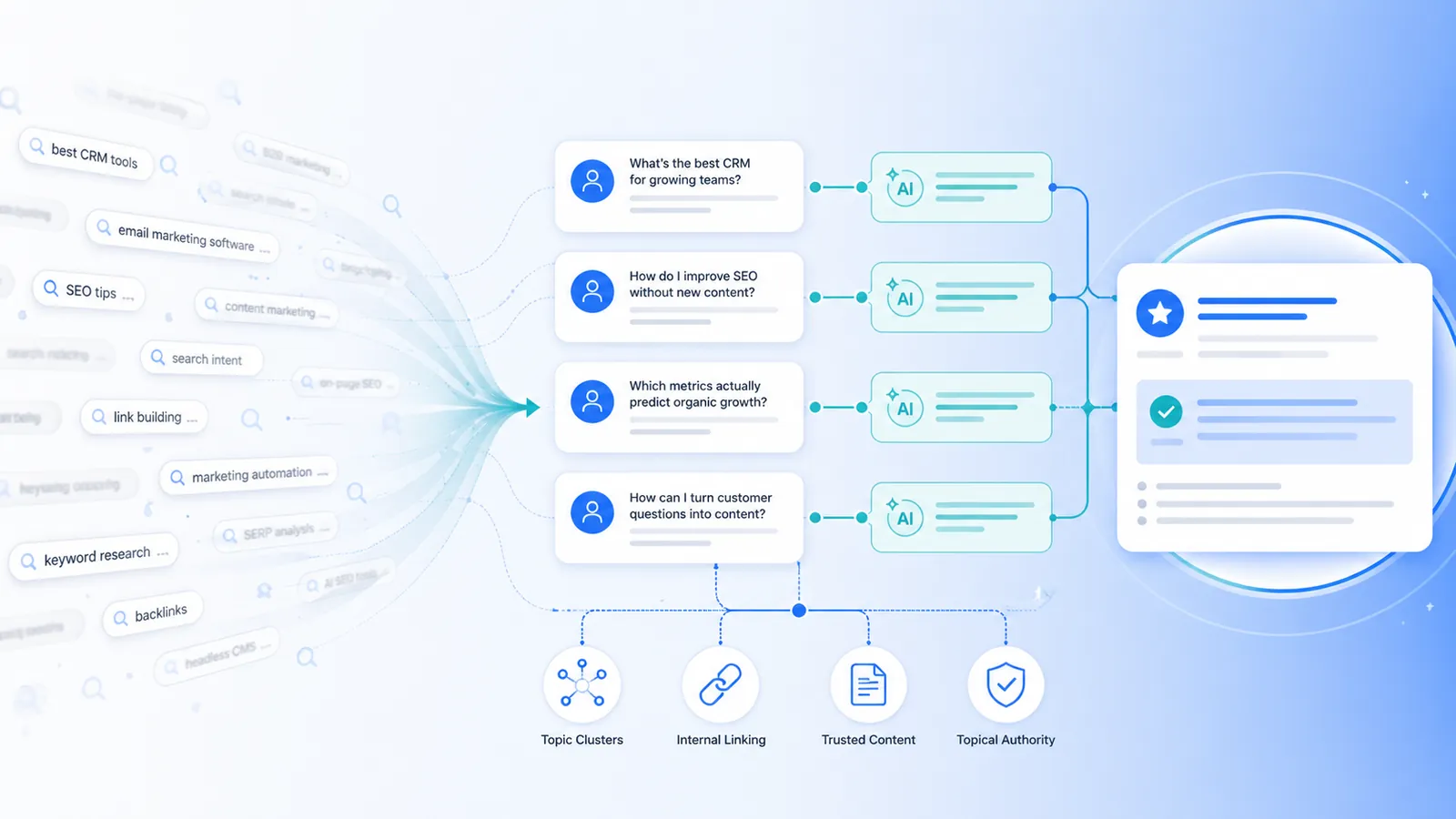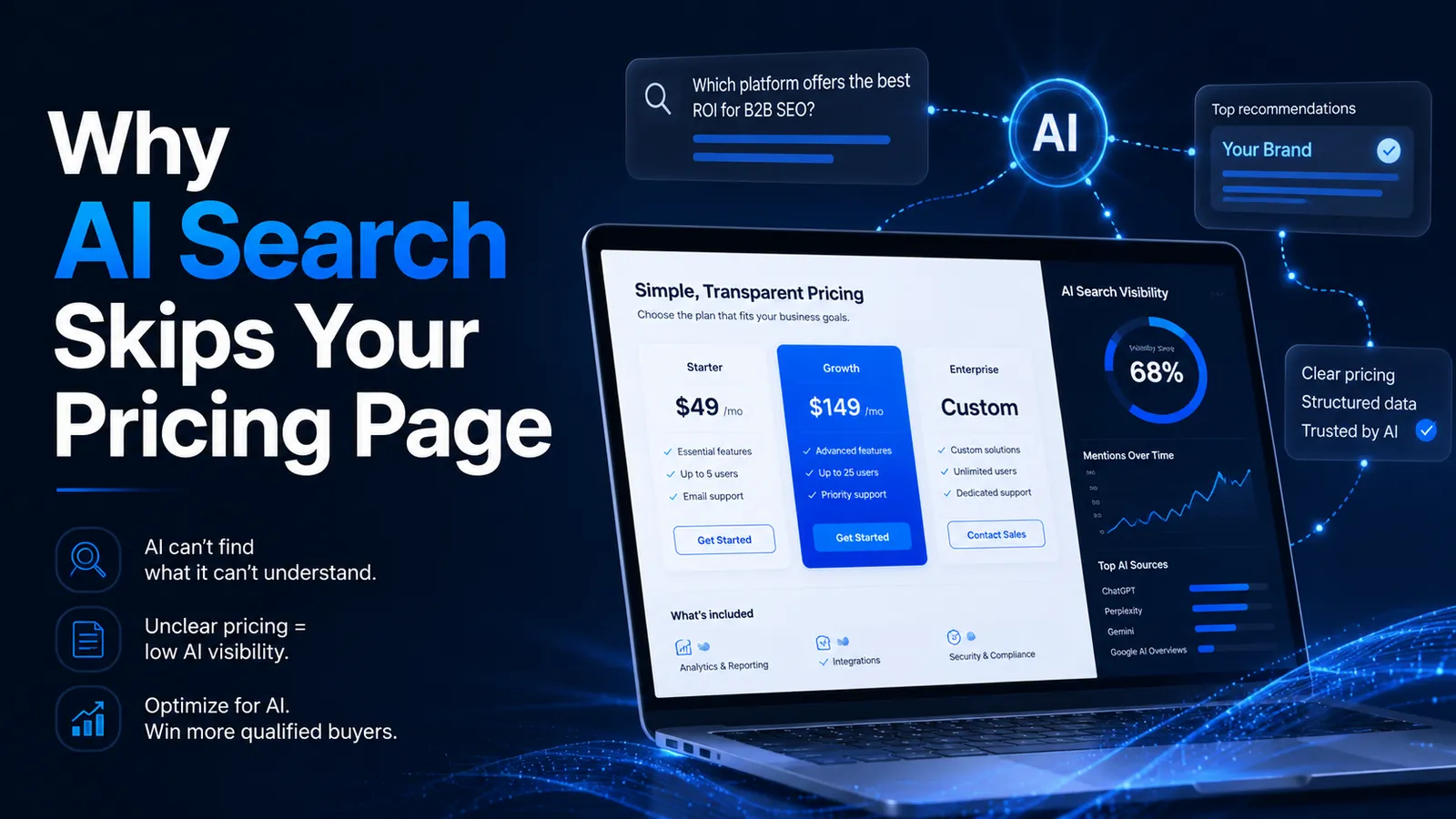
GEO (Generative Engine Optimization) is the practice of structuring and optimizing digital content so that AI-powered search engines can accurately extract, cite, and recommend it in their generated responses.
Generative Engine Optimization (GEO) transforms how websites attract and engage visitors by prioritizing visibility in AI-powered search results. Website owners now face a digital landscape where traditional SEO alone cannot guarantee attention. Recent industry reports show a shift in traffic patterns and user engagement:
| Metric | Change |
|---|---|
| Click-Through Rate | Organic CTR declined |
| Engagement Metrics | Users spend 8% longer, view 12% more pages |
| Conversion Rates | AI traffic conversion 9% lower, gap closing |
Reflecting on what is geo and current SEO strategies helps businesses prepare for evolving search behaviors and new opportunities.
Key Takeaways
- Generative Engine Optimization (GEO) enhances website visibility in AI-driven search results, making it essential for modern digital marketing.
- GEO differs from traditional SEO by focusing on AI-generated responses and citations rather than just keyword rankings.
- Understanding user intent is crucial for GEO; content must address what users are searching for and why.
- Implement structured data and clear content organization to improve how AI systems interpret and reference your website.
- Regularly update content to maintain relevance and authority, as AI prioritizes fresh information.
- Monitor performance metrics like AI-generated visibility and citation rates to refine GEO strategies effectively.
- Collaborate across marketing and technical teams to create content that is both engaging for users and optimized for AI systems.
- Stay informed about AI trends and adapt strategies to ensure your website remains competitive in the evolving digital landscape.
What is GEO
GEO Defined
Generative Engine Optimization, often abbreviated as GEO, represents a new approach to digital visibility. Many website owners now ask what is geo and how it differs from traditional SEO. GEO is the practice of optimizing content so that AI-powered search engines and generative platforms, such as ChatGPT, Gemini, Copilot, and Google AI Overviews, reference and cite it in their responses. This strategy ensures that a website’s information appears directly in conversational answers, not just in traditional search listings.
- GEO focuses on making content discoverable and valuable to AI systems.
- It aims to secure citations, references, and recommendations from AI tools.
- GEO enhances visibility in AI-driven search results, prioritizing nuanced and conversational responses to user queries.
Understanding what is geo helps businesses adapt to the evolving landscape where AI-generated answers often replace standard search results.
Core Principles
GEO stands apart from older optimization strategies by emphasizing several foundational principles. These principles guide how content is created, structured, and presented for maximum impact in AI-driven environments.
- Understanding search intent remains crucial. GEO strategies focus on what users are searching for and why they seek that information.
- Adhering to Google’s E-E-A-T standards—experience, expertise, authoritativeness, and trustworthiness—forms a core element of GEO.
- Integrating AI-driven content strategies that prioritize user experience and engagement ensures that content resonates with both users and AI systems.
These principles answer the question of what is geo by highlighting its focus on intent, authority, and user-centric optimization.
How GEO Works
AI-driven search engines process and rank content differently than traditional search engines. GEO leverages these differences to improve website visibility and authority.
- AI search engines use natural language processing to understand the context and intent behind queries, delivering more accurate results.
- They personalize results by analyzing user behavior, unlike traditional engines that offer generic links.
- AI systems learn and improve over time through user interactions, enhancing their ability to predict intent.
- Traditional search engines rely on keyword matching, which can lead to irrelevant results and static rankings.
- AI-driven engines excel at handling complex or conversational queries, providing quicker and more relevant answers.
To maximize effectiveness, GEO strategies encourage sharing content on popular platforms like blogs, forums, and social media, where AI systems gather data. User-generated content, such as reviews and comments, adds fresh material that AI values. Building a community around a brand and keeping social profiles updated also contribute to higher rankings in generative search.
Technical readiness plays a vital role. Websites optimized for GEO use proper HTML tags, load quickly, remain mobile-friendly, and maintain secure connections. These factors ensure that AI systems can easily crawl, index, and recommend content.
Generative Engine Optimization marks a shift in how brands approach digital growth. By focusing on content quality, technical excellence, and brand authority, GEO aligns with the priorities of AI systems that generate direct answers. Businesses that understand what is geo and implement its strategies position themselves for greater visibility and engagement in the era of AI-driven search.
GEO vs. Traditional SEO
Key Differences
Generative Engine Optimization and traditional SEO serve different purposes in the modern search landscape. Traditional SEO focuses on improving visibility in search engine results pages (SERPs) through keyword optimization, backlinks, and quality content. GEO positions content for AI-generated responses, aiming for citations and brand mentions within conversational answers. The following table highlights the main differences in ranking factors between these two approaches:
| Aspect | Traditional SEO | Generative Engine Optimization (GEO) |
|---|---|---|
| Focus | Visibility in SERPs | AI-generated responses and citations |
| Measurement of Success | Organic traffic, click-through rates, conversions | Citation frequency, brand mentions in AI responses |
| User Journey | Click-through for information | Immediate answers without clicking |
| Content Structure | Keyword optimization, backlinks | Citation-ready, authoritative, entity optimization |
| Search Behavior | Multiple website exploration | Direct, synthesized answers |
Recent data shows that 79% of consumers plan to use AI-enhanced search within the next year. ChatGPT reached 100 million users in two months, demonstrating rapid adoption. Google’s Search Generative Experience now serves millions of queries, changing user expectations.
Why SEO Alone Isn’t Enough
Traditional SEO strategies often rely on exact-match keywords and volume-based content. These methods limit visibility in high-intent searches and oversimplify user intent. AI-driven engines understand context and topic ecosystems beyond simple keyword matches. Manual optimization cannot keep pace with rapid algorithm changes. Technical SEO alone does not address the need for personalized, contextually relevant content.
- Traditional SEO focuses on exact-match keywords, which restricts reach in nuanced searches.
- It categorizes users broadly, missing the subtleties of their queries.
- Rigid keyword strategies risk losing visibility to competitors who adapt faster.
- Generic content fails to engage users seeking personalized answers.
- Keyword-centric thinking misses context, as AI evaluates topics beyond exact matches.
- Thin content targeting various keywords no longer delivers results.
- Manual optimization struggles to keep up with evolving search algorithms.
The Shift to AI Search
User behavior has changed dramatically with the rise of AI-powered search engines. Users now engage with AI tools for immediate, contextually relevant answers. Click-through rates for traditional search results continue to decline. People prioritize clarity and efficiency when seeking information.
Users no longer want to skim multiple articles to find the one nugget of information they need. They want clarity, now.
- Users bypass traditional search engines for real-time, conversational queries with AI.
- AI provides synthesized, human-like responses.
- Clean, ad-free interfaces enhance user experience.
As users increasingly accept AI-generated responses without verifying sources, brands must adapt to new dynamics of trust and reliance on AI outputs. This shift marks a significant transformation in how users search for information, moving away from traditional methods toward interactive and personalized experiences. Understanding what is geo helps businesses recognize the importance of adapting to these changes and staying visible in AI-driven environments.
Why GEO Matters
Visibility in AI Results
Generative Engine Optimization has become essential for brands seeking visibility in the age of AI-driven search. As generative AI platforms handle a growing share of search queries, websites must adapt to remain discoverable. Recent studies reveal a dramatic shift in user behavior:
| Source | Percentage of Users Relying on AI Summaries | Percentage of Searches Ending Without Progression |
|---|---|---|
| Bain & Company | 80% (at least 40% of the time) | 60% |
| Source | Percentage of AI Overviews in Search Results |
|---|---|
| Xponent21 | Over 50% |
These numbers show that users increasingly rely on AI-generated summaries and overviews, often without clicking through to traditional websites. GEO addresses this shift by ensuring brands are accurately represented in AI-generated outputs. It enables brands to be cited in responses from generative AI platforms, increasing their prominence and authority. GEO strategies focus on optimizing content for AI systems, aligning with the behaviors of generative models. This approach gives brands more control in a landscape where consumers seek information directly from AI.
Tip: Brands that invest in GEO position themselves as authoritative sources, meeting user needs effectively and securing valuable citations in AI-driven answers.
Staying Relevant
Maintaining relevance in the era of generative search requires a proactive approach. AI-driven search engines constantly evolve, and brands must adapt their strategies to keep pace. Effective methods for staying relevant include:
- Monitoring AI-driven SERP changes by regularly reviewing traffic and engagement metrics.
- Creating topic-focused content that addresses broader themes related to user intent.
- Structuring content with clear, question-based headings and providing data-driven claims to enhance visibility in AI responses.
- Building authority by showcasing qualifications and success stories, signaling trustworthiness to AI systems.
A successful GEO strategy also involves optimizing for featured snippets and summaries. Brands should use schema markup to clarify content for AI and focus on aligning with user intent and search context. These steps help ensure that content remains visible and valuable as AI platforms become the primary source of information.
Note: Brands that consistently update their content and monitor AI trends maintain a competitive edge and avoid falling behind as search technology advances.
Future-Proofing Your Site
The digital landscape continues to evolve, with AI-powered search engines and chatbots becoming the dominant way users find information. GEO future-proofs websites by ensuring content is optimized for these new technologies. Instead of relying solely on traditional search rankings, GEO emphasizes inclusion in AI-generated answers. This approach adapts to the changing search environment, where AI may provide direct answers that include a brand, enhancing visibility.
- GEO ensures content is trustworthy and structured, making it more likely to be quoted or summarized by AI tools.
- It focuses on optimizing for AI-powered search engines and chatbots, not just traditional SERPs.
- The goal is to guarantee that brands are included in AI-generated answers, maintaining their relevance as user behaviors shift.
By understanding what is geo and implementing its strategies, brands can safeguard their digital presence against future changes in search technology. GEO prepares websites for the next wave of search innovation, ensuring they remain visible, authoritative, and trusted in an AI-first world.
Competitive Edge
Generative Engine Optimization (GEO) gives businesses a distinct advantage in the digital marketplace. Companies that rely only on traditional SEO often struggle to maintain visibility as AI-driven search engines change how users find information. GEO strategies position websites for success by aligning content with the needs of modern search platforms.
| Aspect | Traditional SEO | Generative Engine Optimization (GEO) |
|---|---|---|
| Focus | Keyword rankings | Content structure and AI perception |
| User Intent | General optimization | High-intent user capture |
| Visibility | Search engine results | AI-generated responses and summaries |
| Content Strategy | Page ranking optimization | Data purity and structured content |
| Relevance | Based on search algorithms | Adaptation to generative AI models |
GEO enhances visibility in AI-generated responses. It captures high-intent users who seek immediate and accurate answers. Businesses that adopt GEO maintain relevance as generative AI becomes the primary source of information.
- GEO strategies help brands appear in AI-generated summaries and overviews.
- Companies using GEO reach users who want fast, reliable information.
- Structured content and data purity improve the chances of being cited by AI platforms.
As AI Overviews and Knowledge Panels dominate search results, businesses that do not optimize for generative engines risk losing their audience. GEO ensures that content remains discoverable and relevant. This approach allows brands to outperform competitors who rely only on traditional SEO methods.
Tip: Companies that invest in GEO secure their position as leaders in their industry. They adapt quickly to changes in search technology and meet the demands of modern users.
GEO provides a sustainable path to growth. It prepares websites for future innovations in search and strengthens brand authority. Businesses that embrace GEO gain a lasting competitive edge in the evolving digital landscape.
Implementing GEO

Content for Generative Engines
Structure and Clarity
Effective GEO begins with content that AI systems can easily interpret and reference. Clear, helpful content answers audience questions directly and uses natural language. Industry experts recommend structuring information for easy interpretation. This involves using subheadings, bullet points, and concise paragraphs to improve readability. The following table summarizes best practices for structuring content for generative engines:
| Strategy | Description |
|---|---|
| Create Clear, Helpful Content | Answer audience questions using natural language, focusing on clarity. |
| Structure Content for Easy Interpretation | Use subheadings, bullet points, and short paragraphs to enhance readability. |
| Build Trust Through Relevance and Credibility | Share real stories and expert insights to establish trust. |
| Keep Content Current | Regularly update content to reflect new information and audience needs. |
| Test and Observe AI Result | Analyze how content appears in AI tools and adjust accordingly. |
A well-structured page not only helps users but also enables AI-driven engines to extract relevant information for summaries and citations. Brands that organize their content with clarity see improved engagement and higher citation rates in AI-generated responses.
Language Optimization
Language optimization plays a crucial role in GEO. Generative engines favor content that uses conversational phrases and long-tail keywords. This approach aligns with how users interact with AI tools. Brands should focus on natural, direct language that mirrors the way people ask questions. Avoiding jargon and using simple explanations increases the likelihood of being referenced by AI systems.
Tip: Regularly review how AI platforms display your content. Adjust language and structure to match evolving AI preferences.
Using Structured Data
Structured data provides a framework that helps AI-driven search engines understand and interpret website content more effectively. By implementing schema markup, brands organize information into structured categories. This organization enables AI engines to extract content into rich answers and concise summaries. Structured data also supports the display of rich snippets, which can significantly boost click-through rates.
- Structured data allows AI to recognize patterns and context within content.
- Schema markup clarifies relationships between topics, improving relevance in AI-generated responses.
- Proactive implementation of structured data positions brands to adapt quickly to future changes in AI search.
Brands that prioritize structured data gain a strategic advantage. Their content appears more frequently in AI-driven results, enhancing both visibility and engagement.
Building Topical Authority
Topical authority signals expertise to both users and AI systems. Brands can build this authority by creating comprehensive topic clusters. Interlinking related articles around a central theme clarifies a website’s expertise for generative engines. AI-driven content planning ensures thorough coverage of key subjects, which strengthens domain expertise scores and increases citation rates.
- Build topic clusters by linking related articles to a central theme.
- Use AI-driven planning to cover topics comprehensively.
- Maintain consistent updates to reinforce authority and relevance.
Studies show a strong correlation between topical authority and AI citation rates. Brands that invest in building and maintaining topical authority position themselves as trusted sources in generative search environments.
Tracking GEO Performance
Measuring the impact of Generative Engine Optimization requires a strategic approach. Brands must track specific metrics to understand how well their content performs in AI-driven search environments. GenOptima recommends a data-driven framework that enables businesses to monitor progress, identify opportunities, and refine their GEO strategies.
A successful GEO implementation relies on continuous performance monitoring. Teams should evaluate both technical and engagement metrics to ensure that content remains visible and authoritative. The following table outlines essential metrics for assessing GEO success:
| Metric | Description |
|---|---|
| AI-Generated Visibility Rate | Measures brand visibility in AI-driven search environments. |
| AI Engagement & Citation Rate | Assesses engagement and authority through citations in relevant content. |
| Content Extraction Rate | Evaluates how effectively content is utilized and extracted by AI systems. |
| Semantic Relevance Score | Determines the alignment of content with user intent in search queries. |
Tracking these metrics provides actionable insights. For example, a high AI-Generated Visibility Rate indicates that a brand appears frequently in AI-generated answers. An elevated AI Engagement & Citation Rate shows that AI platforms recognize the brand as an authoritative source. Content Extraction Rate reveals how often AI systems use website information in summaries or responses. Semantic Relevance Score highlights how well content matches user intent, which is critical for maintaining relevance in generative search.
GenOptima’s continuous optimization process involves regular audits and performance reviews. Their team analyzes these metrics to identify areas for improvement. They adjust content structure, language, and topical coverage based on real-time data. This proactive approach ensures that websites adapt quickly to changes in AI algorithms and user behavior.
Businesses that monitor GEO performance experience several benefits:
- Improved lead quality as AI platforms direct high-intent users to authoritative sources.
- Shortened sales cycles due to faster access to relevant information.
- Enhanced brand authority, which leads to greater pricing power and competitive advantages.
Tip: Teams should integrate GEO tracking into existing workflows. Automated reporting tools and dashboard visualizations help stakeholders stay informed and make data-driven decisions.
Consistent measurement and optimization allow brands to maintain peak performance. By focusing on the right metrics, businesses ensure that their content remains discoverable, relevant, and trusted in AI-powered search environments. GenOptima’s expertise in performance monitoring empowers clients to achieve measurable growth and long-term success.
GEO Mistakes to Avoid
Over-Optimizing for SEO
Many website owners fall into the trap of over-optimizing for traditional SEO. They rely on outdated practices such as keyword stuffing, which generative engines now view as low-quality. Generative Engine Optimization demands semantically rich and well-structured content. When a site attempts to manipulate rankings through excessive keyword repetition, generative platforms deprioritize that content. Instead, entity clusters and topic coverage should replace keyword-centric strategies. Leading every page with a concise answer block, typically 40 to 60 words, helps AI systems extract relevant information quickly. Credibility signals, such as statistics, quotes, and citations, should appear frequently throughout the content.
| Mistake | Solution |
|---|---|
| Keyword stuffing vs entity coverage | Replace keyword repetition with entity clusters. |
| No direct answer at the top | Lead every page with a 40-60 word answer block. |
| Missing stats, quotes, or citations | Add at least three credibility signals per 1,000 words. |
| Poor structure | Break content into digestible sections with clear headings. |
Tip: Over-optimization for SEO can harm GEO performance. Generative engines prefer content that is clear, authoritative, and easy to interpret.
Ignoring AI Guidelines
Ignoring the latest AI guidelines can undermine a website’s visibility and relevance. Generative engines prioritize content freshness, highlighting publication dates and favoring recent updates. Timely information is essential, especially for trending topics. Maintaining an editorial calendar ensures regular updates and signals trustworthiness to both users and AI systems. Adhering to AI guidelines is critical, as user behavior shifts toward AI-driven search. Content optimized for AI remains discoverable and competitive.
- Content freshness increases relevance in AI-driven search.
- Timely updates attract users seeking current information.
- Editorial calendars help maintain consistent updates.
- User trust grows with regularly updated content.
Note: Following AI guidelines ensures that content aligns with evolving search behaviors and remains visible in generative results.
Missing User Intent
Missing user intent represents a significant mistake in GEO strategy. When content fails to address audience needs, engagement drops and visibility suffers. Modern search engines prioritize user-centric content, making alignment with user intent essential. Content must provide clear and accurate answers, structured for easy interpretation by AI systems. Proper relevance and organization enhance the likelihood of appearing in AI-driven results.
- Misalignment with user intent lowers engagement and visibility.
- Content should directly address user needs with clarity.
- Structure and relevance improve AI evaluation.
- Ignoring GEO risks making digital strategies ineffective.
- Relying solely on traditional SEO can render content invisible to users seeking personalized experiences.
Tip: Understanding and addressing user intent ensures that content meets both audience expectations and AI-driven evaluation standards.
Outdated Content
Outdated content poses a significant risk to a website’s visibility in generative search environments. AI-powered engines evaluate freshness and relevance as primary ranking factors. When a website fails to update its information, AI systems may surface obsolete details, which can damage user trust. Users often accept confident AI-generated answers without questioning their accuracy. If the content lacks recent updates, it may mislead audiences and erode brand credibility.
Generative engines prioritize current information that reflects the latest trends and developments. They scan for publication dates and favor sources that demonstrate ongoing activity. Brands that neglect regular updates lose their competitive edge. Search algorithms reward websites that maintain a consistent schedule of content refreshes. This approach signals authority and reliability to both users and AI platforms.
A website with outdated articles risks being overlooked by AI tools. These platforms seek sources that provide timely insights and actionable data. When content remains static, it fails to address evolving user intent. Audiences expect answers that reflect the present landscape, not yesterday’s news. Brands must recognize that generative search engines adapt quickly to new information. They adjust rankings based on the freshness and relevance of each page.
Consider the following strategies to avoid the pitfalls of outdated content:
- Schedule regular content audits to identify pages that require updates.
- Revise articles to include recent statistics, trends, and expert commentary.
- Highlight publication and update dates to signal freshness to AI systems.
- Remove or consolidate obsolete information that no longer serves user needs.
- Monitor industry developments and incorporate timely insights into existing content.
Tip: Brands that update their content frequently maintain higher visibility in generative search results. AI platforms reward websites that reflect current knowledge and trends.
A proactive approach to content management ensures that a website remains relevant and authoritative. Teams should establish editorial calendars and assign responsibility for ongoing updates. This process helps maintain consistency and prevents lapses in quality. When brands invest in content freshness, they build trust with both users and AI-driven engines.
Outdated content undermines a website’s reputation and reduces its chances of being cited in AI-generated answers. By prioritizing regular updates, brands position themselves as leaders in their field. They capture the attention of modern audiences and secure valuable citations in generative search environments.
GEO Best Practices
Stay Updated on AI Trends
Staying current with AI trends is essential for effective Generative Engine Optimization. Teams must audit and clean citations regularly to ensure accuracy. Adding structured data to high-value pages helps AI systems interpret content more efficiently. Including semantic keywords and related search terms increases the likelihood of appearing in AI-generated responses. Writing short, direct answers for user queries improves extractability. Tracking brand appearances in AI Overviews provides insight into visibility. Refreshing top content with new data and insights keeps information relevant.
Professionals recommend developing a strategic content rollout plan. Orienting content around high-value topical pillars strengthens authority. Meeting the search intent of each keyword ensures relevance. Publishing new content and updating existing material maintains freshness. Creating thought leadership pieces positions brands as industry leaders.
Tip: Regularly monitor AI-driven search results to identify new opportunities for optimization.
Collaborate Across Teams
Cross-team collaboration drives success in GEO strategies. Marketing and technical teams must establish common goals for generative optimization. This partnership leverages distinct skill sets, resulting in improved outcomes. Marketing professionals understand audience needs and search intent. Technical experts implement structured data and enhance site architecture. Together, they create content that is both engaging and machine-readable.
- Marketing teams focus on user-centric messaging.
- Technical teams ensure content is accessible to AI engines.
- Joint efforts lead to higher citation rates and better brand visibility.
Collaboration fosters innovation and accelerates problem-solving. Teams that communicate effectively adapt quickly to changes in AI algorithms. Shared objectives align resources and maximize impact.
Continuous Learning
Continuous learning remains vital in the evolving field of generative search optimization. Professionals must seek resources that cover core concepts and strategies for AI search. Guides on AI-powered optimization provide insights into adapting content for machine readability and extractability. Understanding the differences between traditional SEO and AI-driven approaches helps teams refine their tactics.
Aligning content with natural language processing mechanisms enhances credibility with large language models. Restructuring material to match user queries and search intent increases relevance. Improving brand authority ensures that AI engines reference the website as a trusted source.
- Study comprehensive guides on generative engine optimization.
- Focus on practices that increase visibility in AI-powered platforms.
- Adapt content to meet the requirements of AI models and user expectations.
Note: Teams that invest in ongoing education maintain a competitive edge and respond effectively to technological advancements.
The Future of GEO
Trends in Generative Search
Generative search technology continues to evolve rapidly. Industry leaders observe several trends that will shape the future of GEO. Generative AI now adapts to user context, tailoring answers based on preferences and location. Search platforms integrate real-time data, allowing AI to deliver the latest news, product inventory, and market updates. Brands that produce fresh, authoritative content quickly gain a significant advantage.
- Generative AI systems analyze user behavior and location to personalize search results.
- Real-time data integration enables AI to provide up-to-date information, including breaking news and product availability.
- Brands that respond swiftly with credible content stand out in AI-driven search environments.
The future of search is conversational and AI-driven. Users expect direct answers and seamless interactions. Businesses must recognize that generative search will soon dominate digital discovery. The question is not whether to optimize for this new reality, but whether a brand will lead the transition or struggle to keep pace.
Note: Companies that anticipate these changes and invest in GEO strategies position themselves as industry leaders.
Preparing for Change
Website owners must take proactive steps to prepare for the next wave of generative search technology. Focusing on content quality rather than keyword density ensures that information remains genuinely helpful. Entity-based optimization connects concepts and establishes relevance, making content easier for AI systems to interpret. Structured data markup helps AI engines understand and reference website information accurately.
- Prioritize helpful, high-quality content over keyword stuffing.
- Use entity-based optimization to link related concepts and improve relevance.
- Implement structured data to enhance AI interpretation and citation.
- Align content with user intent to address comprehensive needs.
- Conduct entity research to map connections between topics.
- Create content clusters that cover subjects from multiple perspectives.
- Optimize for E-E-A-T by demonstrating experience, expertise, authority, and trustworthiness.
- Monitor how generative systems display and reference your content for ongoing improvement.
A strategic approach involves understanding the fundamentals of GEO and its impact on digital marketing. Integrating AI-driven content creation tools into marketing workflows accelerates adaptation. Regular updates to SEO techniques ensure alignment with advancements in generative optimization.
| Preparation Step | Benefit |
|---|---|
| Focus on content quality | Increases helpfulness and user satisfaction |
| Implement structured data | Improves AI understanding and citations |
| Optimize for E-E-A-T | Builds credibility and trust |
| Monitor generative system outputs | Identifies opportunities for refinement |
Tip: Teams that embrace continuous learning and innovation maintain a competitive edge as generative search technology advances.
Generative Engine Optimization stands as a critical strategy for modern websites. Businesses that adapt to AI-driven search platforms secure lasting relevance and visibility. Auditing current SEO practices for GEO readiness marks an essential first step. Partnering with generative SEO experts delivers measurable advantages:
| Benefit | Description |
|---|---|
| Improved User Experience | Provides precise answers to user queries, enhancing satisfaction. |
| Enhanced Website Visibility | Increases chances of appearing in AI-generated references, boosting traffic. |
| Competitive Advantage | Early adopters gain an edge in the market by leveraging new technologies. |
| Data-Driven Content Strategies | Enables the creation of content based on analytics and user behavior. |
- Brands appear in AI-generated results related to their offerings.
- Businesses position themselves in front of potential customers ready to engage.
FAQ
What is Generative Engine Optimization (GEO)?
GEO refers to optimizing website content for AI-powered search engines and generative platforms. This strategy helps brands appear in conversational AI answers, not just traditional search results.
How does GEO differ from traditional SEO?
GEO focuses on AI-driven citations and conversational responses. Traditional SEO targets keyword rankings and organic traffic. GEO prioritizes structured, authoritative content for AI systems.
Why should a business invest in GEO now?
AI search platforms continue to grow rapidly. Businesses that adopt GEO gain visibility in AI-generated answers, reach high-intent users, and stay ahead of competitors.
What types of content work best for GEO?
Content with clear structure, direct answers, and up-to-date information performs well. Brands should use bullet points, tables, and concise paragraphs to improve extractability for AI engines.
How can a website track GEO performance?
Teams monitor metrics such as AI-generated visibility rate, citation frequency, and semantic relevance score. Regular audits help identify opportunities for improvement.
Tip: Use dashboard tools to visualize GEO metrics and track progress over time.
Does GEO require technical changes to a website?
Websites benefit from structured data, fast loading speeds, and mobile-friendly design. Technical enhancements help AI systems crawl and index content efficiently.
Can GEO strategies integrate with existing SEO workflows?
GEO complements traditional SEO. Teams can blend intent analysis, content optimization, and performance monitoring into current processes for seamless implementation.