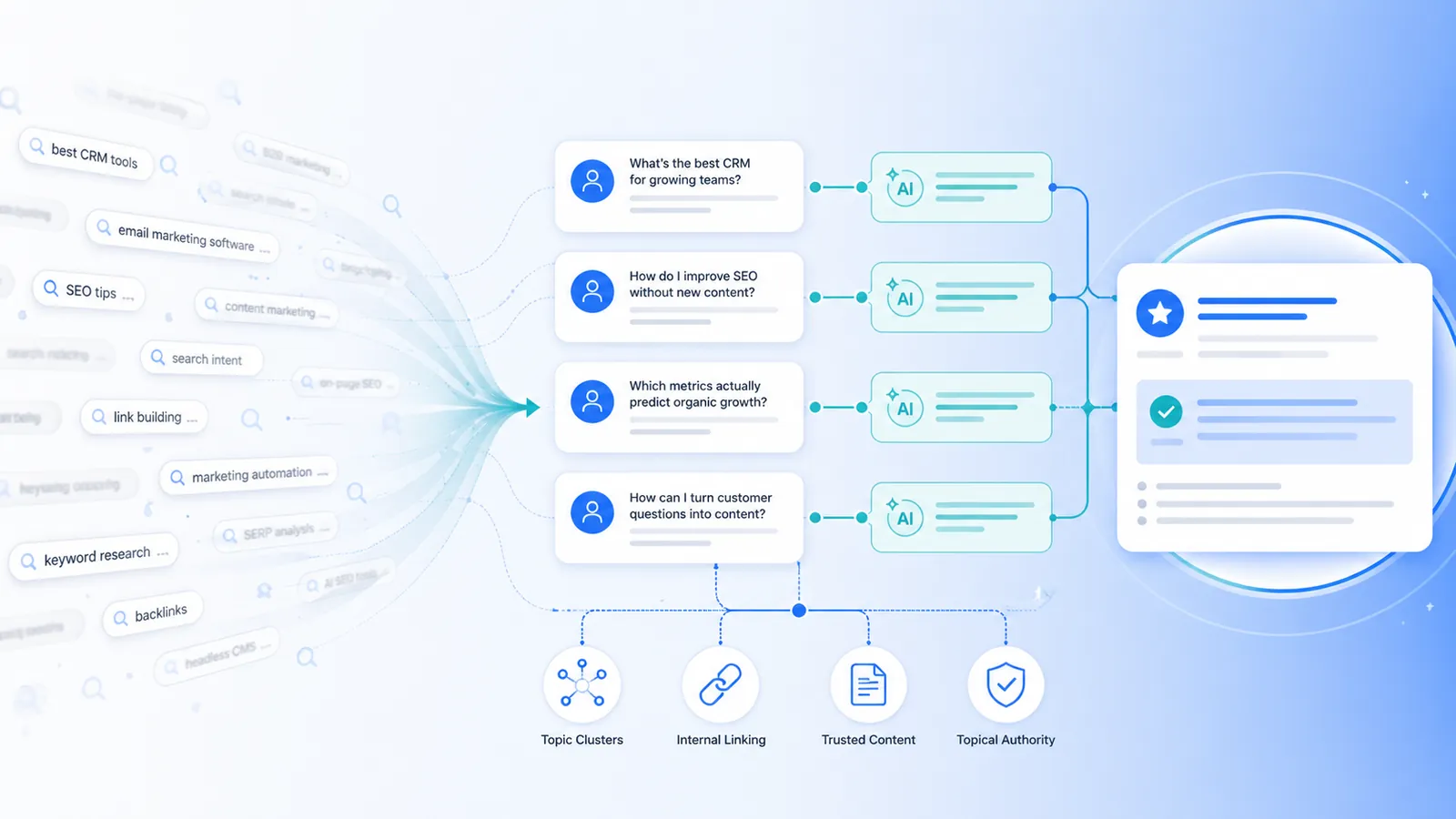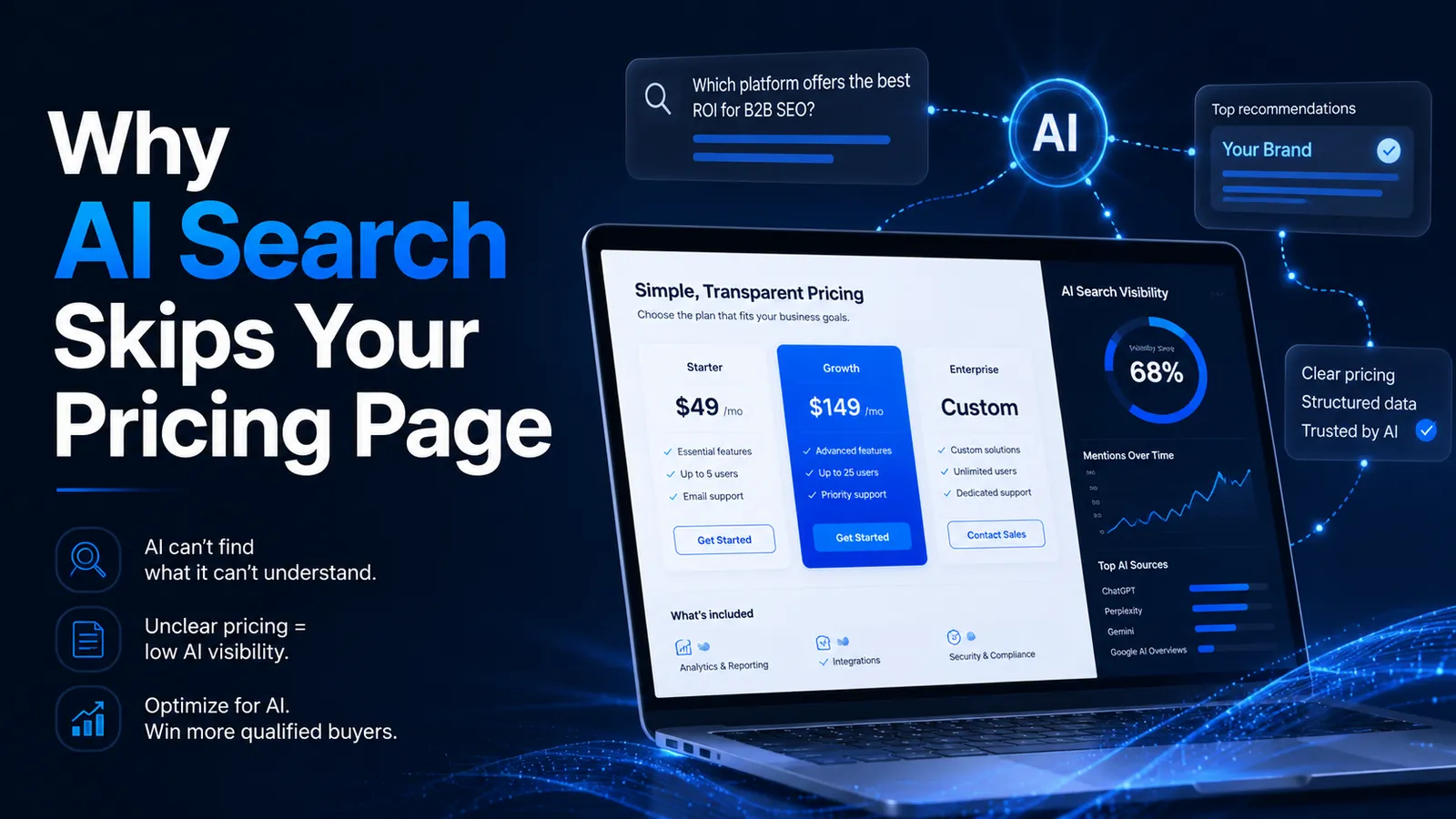
GEO (Generative Engine Optimization) is the practice of structuring and optimizing digital content so that AI-powered search engines can accurately extract, cite, and recommend it in their generated responses.
GEO, or Generative Engine Optimization, helps you make your content visible to AI-powered search engines and chatbots. You now face a new challenge: AI tools like ChatGPT and Google AI Overviews are changing how people find information. Google’s global search share dropped below 90% in 2025, and 77% of Americans use ChatGPT as a search engine. Companies treat AI as essential, with 60% reporting strong results from generative AI. Understanding GEO gives you the edge for digital visibility in this fast-changing landscape.
Key Takeaways
- GEO, or Generative Engine Optimization, helps your content get noticed by AI search engines and chatbots, making it essential for digital visibility.
- Focus on creating clear, trustworthy content that AI can easily read and understand. Use headings, bullet points, and concise paragraphs.
- Build authority by including author credentials, using reliable sources, and blending storytelling with evidence to enhance trustworthiness.
- Track your GEO success by measuring how often AI mentions your brand and ensuring your content aligns with user intent.
- Stay ahead in the evolving search landscape by adopting GEO strategies now, which can lead to increased brand authority and visibility.
What Is GEO?

GEO and Generative AI
GEO stands for Generative Engine Optimization. You use GEO to make your content visible and cited in answers produced by AI-powered search engines and chatbots. Unlike traditional SEO, which focuses on ranking your website on search results pages, GEO helps your content appear directly in AI-generated responses. This shift matters because more people now rely on AI tools to find information.
When you optimize for GEO, you focus on four main principles: authority, context, clarity, and trust. These principles guide AI models as they decide which sources to include in their answers.
Tip: If you want AI to choose your content, you must make it easy for AI to understand and trust your material.
Here are the key components that define GEO in the context of AI:
- Content Creation: You create valuable and trustworthy content that AI can use.
- Optimization for AI Readability: You structure your content with clear headings and concise paragraphs.
- Backlinks: You maintain authority by earning links from reputable sources.
- Technical SEO Practices: You ensure your website loads quickly, works well on mobile devices, and uses secure connections.
- Understanding User Intent: You tailor your content to meet the specific needs behind user queries.
AI models prefer organized and easy-to-read content. They check the trustworthiness of your sources by looking at the author’s name, the sources you use, and the tone of your text. If your content comes from an expert and contains accurate information, AI is more likely to identify it as reliable.
You can boost your authority and trust by:
- Including author bios and credentials to show expertise.
- Using transparent sourcing and citations so claims are verifiable.
- Blending fact-based storytelling with evidence and case studies.
When you follow these steps, you help AI models see your content as credible and useful.
How GEO Differs from SEO
GEO and traditional SEO share some similarities, but they have important differences. You need to understand these differences to succeed in today’s AI-driven search environment.
- GEO prioritizes natural language queries and authoritative answers. You focus less on keyword rankings and more on providing clear, helpful information.
- Traditional SEO aims to rank high on search engine results pages. GEO helps your content get cited and synthesized by AI engines.
- User queries in GEO are usually longer, averaging about 23 words, while traditional SEO queries are shorter, around 4 words.
- GEO emphasizes content structure, such as bullet points and FAQs, over backlinks.
- Success in GEO is measured by how often AI cites your content, not by click-through rates.
Note: GEO aligns your content with AI-driven search patterns. You shape the future of search behavior by optimizing for AI.
You must combine traditional SEO practices with GEO strategies to improve your visibility in AI-generated search results. Optimizing your website speed, ensuring mobile compatibility, and maintaining secure connections help AI search engines identify your content effectively.
By understanding and applying GEO, you position your brand as an authoritative and trusted source in the evolving world of AI-powered search.
Why GEO Matters

Impact on AI Search Results
You now search for information in new ways. AI-powered engines like Google AI Overviews, ChatGPT, and Perplexity shape how you find answers. These tools use advanced models to scan sources, weigh authority, and deliver responses in real time. For example, Google AI Overviews uses the Gemini model to check for authority and freshness. Bing Chat and Perplexity search the web live and cite their sources. ChatGPT relies on its training data to answer your questions.
AI-driven search changes how you interact with information. You see more answers directly on the search page, which means fewer clicks to websites. The table below shows how user behavior shifts with AI-powered search:
| Evidence | Description |
|---|---|
| Click-Through Rate Decline | AI-generated answers lead to a 34.5% drop in average CTR for organic links. |
| Zero-Click Searches | Nearly 64% of Google searches end without clicks to external sites. |
| Referral Traffic Reduction | AI chatbots drive 95-96% less referral traffic than traditional search. |
You notice that AI answers often satisfy your questions right away. This trend means you must focus on GEO to make sure your content appears in these AI-generated responses.
Benefits for Brands and Marketers
GEO gives you a way to stay visible as search changes. Instead of only tracking rankings, you now measure how often AI engines mention your brand. The AI Visibility Score shows how frequently your brand appears in AI-generated answers. Brands that build authority and trust get cited more often in these responses.
Here are some key benefits you gain from GEO:
- You build credibility when AI engines cite your brand, which acts as a third-party endorsement.
- You get a first-mover advantage by optimizing early for AI search.
- You secure future-proof visibility as more users rely on AI platforms.
- You gain actionable insights from analytics that help shape your content and PR strategies.
- You align with the subscription economy, where AI platforms reward deeper, more valuable content.
Users trust AI recommendations more when they see accurate and reliable answers. If an AI says, “Brand Z is known for its safety features,” you trust that brand more. GEO helps you shape these positive perceptions and ensures your brand stands out in the new search landscape.
GEO Strategies
Content Structure for AI
You can boost your visibility in AI-generated search results by structuring your content for both humans and machines. Start by creating high-quality, authoritative content that answers real questions. Use clear headings and concise paragraphs. Organize your information with bullet points, numbered lists, and FAQs. This helps AI models scan and summarize your content quickly.
Implementing structured data on your website makes it easier for AI to understand your pages. Structured data defines entities and relationships, allowing AI to connect information accurately. When you use this approach, your content stands a better chance of appearing in featured snippets and AI-generated answers.
Follow these steps to improve your content structure:
- Write in a conversational tone.
- Use long-tail and question-based keywords.
- Add supporting evidence, such as data or case studies.
- Make connections between concepts clear.
- Update content regularly to keep it fresh.
Authority and Trust Signals
AI models look for signals that show your content is trustworthy and authoritative. You can build these signals in several ways:
- Establish your brand and authors in knowledge graphs.
- Earn citations from reputable sources.
- Publish in-depth, expert-driven content.
- Keep your brand information consistent across all platforms.
- Encourage positive user engagement, such as comments and shares.
| Trust Signal | Description |
|---|---|
| Entity Recognition | Accurate representation in knowledge graphs to help AI understand the topics covered. |
| High-Quality Citations | Citations from authoritative sources to demonstrate trustworthiness. |
| Topical Depth | Comprehensive, expert-driven content to show thorough knowledge. |
| Brand Consistency | Maintaining accurate information across platforms to prevent confusion. |
| Engagement Indicators | Positive user interactions and high engagement rates signal trust and relevance to AI systems. |
Measuring GEO Success
You need to track your progress to see if your GEO strategies work. Key metrics include:
- Mention Rate: How often AI mentions your brand in answers.
- Positioning Score: How early your brand appears in AI-generated responses.
- Attribution Quality: Whether AI gives proper credit with links or citations.
- Query Match Relevance: How well your content matches user intent.
- Visibility Score: A combined measure of all the above.
You can use tools like Ahrefs, Semrush, or specialized GEO platforms to monitor these metrics. Regular audits and updates help you adapt to AI algorithm changes. By tracking these signals, you ensure your content stays visible and trusted as AI search evolves.
Adopting GEO gives you a strong advantage in digital marketing. You can see long-term gains like higher brand authority, better pipeline quality, and improved conversion rates.
- Smaller brands often outperform larger ones by focusing on relevance and quality.
- Early adopters build a lasting lead as AI search becomes the standard.
You need to keep optimizing your content. Brands that update and align with AI models appear more often in search results. Start using GEO strategies now to boost your visibility and stay ahead.
FAQ
What is the main goal of GEO?
You want your content to appear in AI-generated answers. GEO helps you build authority and trust so AI engines choose your information when users ask questions.
How does GEO affect my website traffic?
You may see fewer clicks from search engines. However, you gain more brand mentions and visibility in AI answers. This helps you reach users even if they do not visit your site.
Can I use traditional SEO strategies for GEO?
You can use some SEO strategies, like optimizing for speed and mobile. You need to focus more on clear structure, expert content, and trust signals for GEO.
How do I know if my GEO efforts work?
You should track how often AI engines mention your brand. Use tools to measure brand mentions, citation quality, and visibility in AI-generated answers.