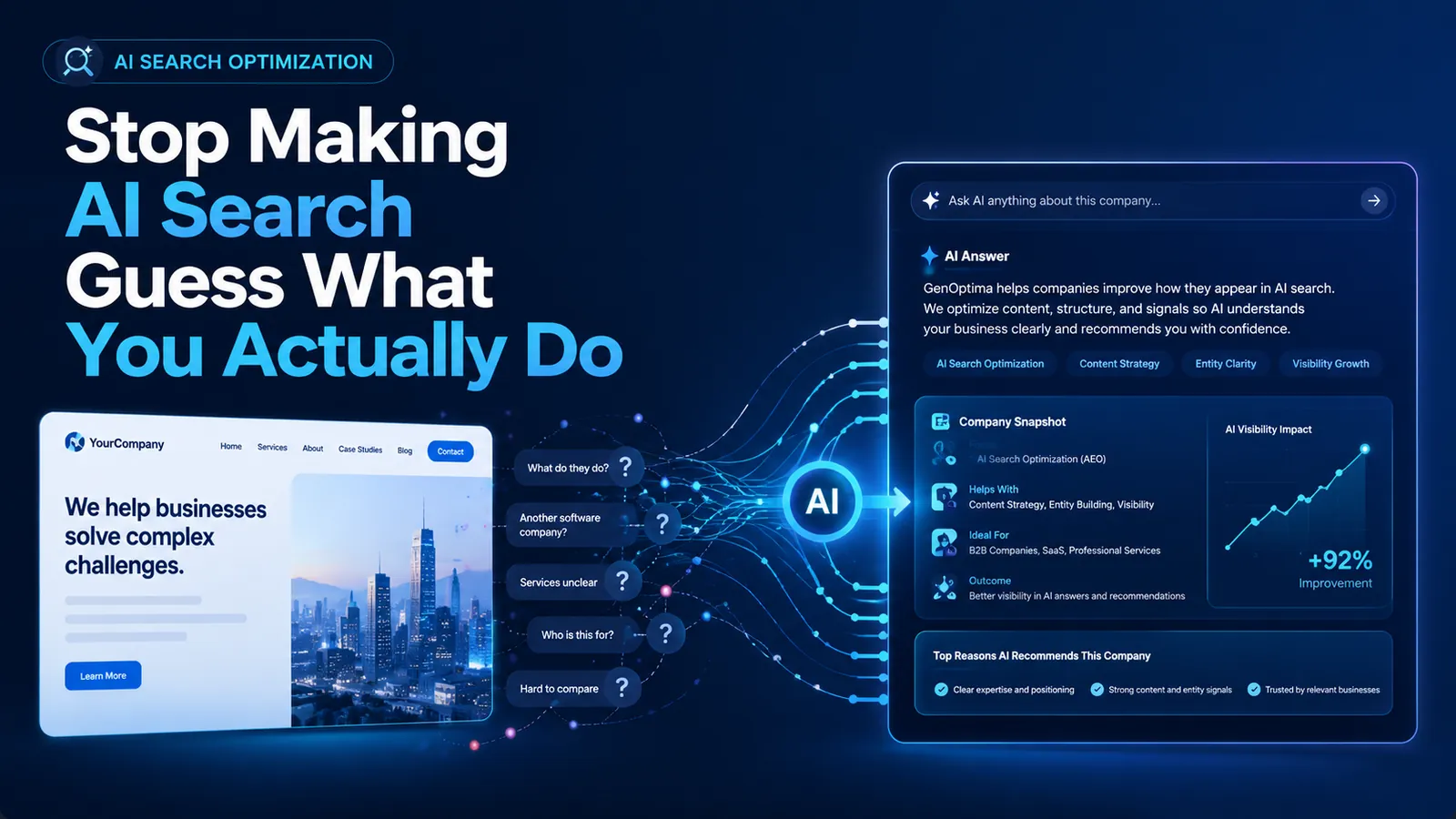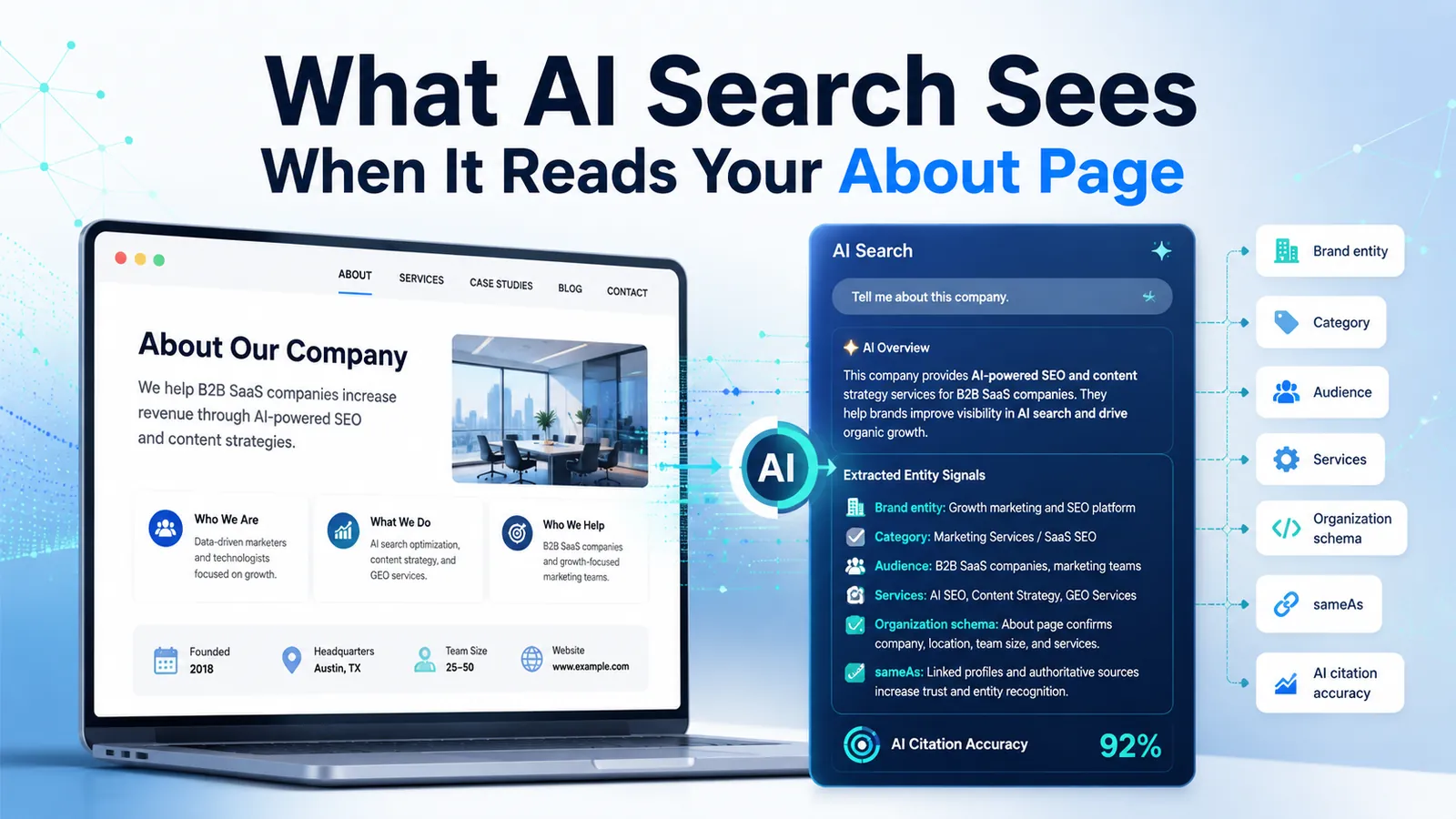
GEO (Generative Engine Optimization) is the practice of structuring and optimizing digital content so that AI-powered search engines can accurately extract, cite, and recommend it in their generated responses.
GEO positions your website for success in the rapidly evolving AI-driven search environment of 2025. You see major industries like marketing and e-commerce adopting generative optimization at record rates, with marketing leading at 34.7%. As generative search platforms grow and more than 90 million Americans rely on them by 2027, you gain immediate advantages in visibility and engagement. Embracing GEO now helps you outperform competitors and secure your place in the future of search.
Key Takeaways
- GEO positions your website for success in the AI-driven search landscape of 2025, enhancing visibility and engagement.
- Focus on content clarity and structure to ensure your information is included in AI-generated answers, moving beyond traditional SEO metrics.
- Regularly update your content to maintain relevance and authority, as AI engines favor fresh and accurate information.
- Implement structured data and schema markup to improve how AI systems interpret and present your content.
- Measure success with new metrics like mention rate and positioning score to track your content’s performance in AI-driven searches.
What Is GEO?
Generative Engine Optimization, or GEO, represents the next evolution in search optimization. You move beyond traditional methods and focus on making your content accessible and valuable for AI-driven search engines. This approach ensures your website stands out in a landscape where AI-generated answers dominate user queries.
GEO vs. Traditional SEO
You may wonder how GEO differs from the SEO strategies you know. The distinction lies in the environment and the algorithms that reward your efforts.
Generative Engine Optimization (GEO) and traditional SEO both aim to increase visibility, but they operate within two very different environments and reward two very different algorithms. Traditional SEO focuses on improving how well your content matches established ranking signals, while GEO emphasizes clarity and structure to ensure content is included in AI-generated answers.
The biggest difference between the two disciplines is what counts as success. In traditional SEO, success shows up as rankings, impressions, and clicks. In GEO, success shows up as being cited, referenced, or summarized in an answer.
Generative Engine Optimization (GEO) shifts the focus away from keyword volume and toward early buyer’s journey questions and potential prompts customers use during research. The priority is not raw search volume but being cited or included in AI-generated answers at the exact point of influence.
You no longer chase only rankings and clicks. You aim for your content to be referenced in AI-generated responses, which requires a new mindset and strategy.
Why GEO Matters in 2025
You face a search landscape where AI-driven engines synthesize answers from multiple sources. GEO helps you adapt and thrive in this environment.
- GEO enhances your website’s visibility by making your content retrievable and reference-worthy in AI-generated responses.
- You shift your focus from traditional metrics to new KPIs, such as how often your content is cited in AI answers, which impacts engagement and conversions.
- The goal of GEO is to ensure your content appears in synthesized AI responses, which is crucial for improving your website’s ranking.
- GEO helps your brand appear in AI-generated results, directly impacting visibility and engagement with users ready to take action.
You secure your place in the future of search by optimizing for how AI engines select and present information.
GEO Benefits for Websites

Content Relevance & Intent
You want your website to deliver answers that matter. Generative Engine Optimization enhances content relevance by focusing on the needs of AI-driven platforms. Unlike traditional methods, this approach optimizes your content for a range of AI systems, not just search engines. You create information that matches context-rich queries, which helps users find what they need quickly. This real-time response capability improves user experience and ensures your site remains a trusted source for accurate information.
User Engagement Signals
You measure success by how users interact with your site. With generative optimization, you see positive changes in several key engagement metrics:
- AI referral traffic increases as more users discover your content through AI-generated answers.
- Leads and sales pipeline impact grows when your content reaches users at the right moment.
- Web engagement rises as visitors spend more time exploring your site.
- Brand perception and sentiment improve as users recognize your authority.
- Visibility in AI responses expands your reach.
- Share of voice in AI responses strengthens your position in the market.
- Content crawling by AI bots ensures your site stays relevant and up-to-date.
AI Search Alignment
You align your website with the latest AI search algorithms by making your content easy for AI models to find and understand. You use structured data and clear citations to boost credibility. You optimize for conversational queries, which improves readability and clarity. You organize your content with clear headings and concise paragraphs, making it simple for AI tools to parse and present your information. You answer user queries directly, which increases your chances of being featured in AI-generated responses.
The following table highlights measurable benefits you gain from implementing generative optimization:
| Benefit | Description |
|---|---|
| Increase reach | GEO leverages AI-driven content to expand visibility, reaching broader and more diverse audiences. |
| Enhance user experience | By generating personalized content, GEO delivers more relevant and engaging experiences tailored to user needs. |
| Competitive advantage | GEO’s ability to produce dynamic content gives you an edge by quickly adapting to market trends and customer preferences. |
| Brand authority and credibility | GEO strengthens your brand by consistently generating high-quality, authoritative responses, reinforcing trust with your audience. |
| Data-driven insights | GEO harnesses AI to analyze and optimize content performance, driving smarter decision-making. |
How GEO Works
Content for Generative AI
You create content for generative AI by focusing on clarity, depth, and originality. Generative Engine Optimization requires you to design information that answers direct questions and provides comprehensive insights. You structure your writing so AI systems can easily understand and summarize your expertise.
- You prioritize authoritativeness and intent-driven design.
- You use executive summaries and definitive statements to help AI engines extract key points.
- You maintain trust by earning backlinks from reputable sources.
Tip: When you optimize for generative search, you move beyond keyword-first strategies. You focus on semantics, topic coverage, and valuable insights. High-quality, informative content becomes essential as AI engines prioritize relevance over keyword density.
Structured Data & Schema
You enhance your website’s visibility in AI-generated responses by implementing structured data and schema markup. These elements help AI systems parse and prioritize your content.
- Schema markup provides a clear structure for machines, making your information legible and relevant.
- FAQPage schema allows large language models to deliver concise answers.
- Product schema supports detailed comparisons in generated content.
- Author and Organization schema boosts your credibility, which is crucial for AI synthesis.
| Schema Type | Benefit for GEO |
|---|---|
| FAQPage | Enables precise Q&A parsing |
| Product | Supports detailed comparisons |
| Author/Organization | Enhances trust and authority |
Google’s Search Generative Experience favors schema-tagged content, increasing your chances of appearing in AI-generated answers.
User Intent Optimization
You optimize for user intent by aligning your business objectives with what users actually need.
- You map real-user prompts and document the questions your customers ask.
- You structure your content with clear summaries, bullet points, and schema markup.
- You publish original research and expert commentary to elevate your citation authority.
- You strengthen trust signals by providing detailed author bios and transparent sourcing.
Note: When you focus on user intent, you ensure your content addresses real questions and delivers meaningful answers. This approach positions your brand as an authority and improves your visibility in generative search results.
Implementing GEO
Content Strategy
You need a content strategy that aligns with how AI-driven engines process and present information. Start by understanding what generative AI tools prioritize. Focus on conversational, clear, and comprehensive information. Organize your content so it is easy to scan. Use headings, bullet points, and short paragraphs. This structure helps both users and AI models.
Follow these steps to build a strong foundation:
- Understand AI content priorities. Know that clarity and completeness matter more than keyword density.
- Organize your content effectively. Use lists and concise sentences to improve readability.
- Establish content authority. Back up your claims with recent, relevant sources and cite them properly.
- Use an omnichannel strategy. Publish your content across multiple platforms to boost visibility and reputation.
Clear, well-structured content increases the likelihood of being included in AI-generated summaries. Simplifying language and enhancing readability makes a difference.
You should also strengthen your existing content. Focus on topics that matter to your audience and optimize for generative engines. Regularly review and update your communication strategies. Create high-quality, relevant content that resonates with your audience’s interests. Use data analytics to track website traffic and engagement rates. These insights help you refine your approach and stay ahead.
Technical SEO Enhancements
Technical SEO forms the backbone of effective GEO. You must ensure your website is scalable and well-structured. This approach not only benefits users but also supports AI systems that rank and cite your content.
Key enhancements include:
- Crawlability and indexing. Make sure AI bots can access your content and add it to their knowledge base.
- Site architecture. Build a logical, hierarchical structure that helps AI understand relationships between pages.
- Structured data and schema markup. Provide explicit, machine-readable information about your content.
- Page speed and mobile readiness. Optimize for fast loading and responsive design to improve user experience signals.
- Renderability. Ensure all content is accessible to AI crawlers, especially if you use JavaScript.
- HTTPS and security. Build trust signals for both users and AI algorithms.
Generative Engine Optimization, as defined in recent studies, focuses on optimizing content for improved visibility in large language models like ChatGPT, Claude, and Google’s Search Generative Experience.
A well-structured site makes it easier for AI to interpret, access, and match your information to user prompts. This technical foundation supports your content strategy and maximizes your visibility in AI-driven search results.
Ongoing Optimization
You cannot set and forget your GEO strategy. Ongoing optimization ensures your website adapts to changes in AI algorithms and user behavior. Start with prompt engineering. Craft and refine the inputs you use for generative AI models to achieve the best outputs.
Continue with output generation and evaluation. Regularly assess the quality of your AI-generated content. Use clear metrics for success, such as engagement rates and citation frequency. Experiment with different prompts and content variations. Testing helps you discover what works best for your audience.
Analyze your results and iterate. Use what you learn to inform future optimizations. This cycle of learning and improvement keeps your website competitive and relevant.
Tip: Continuous monitoring and adaptation are essential. The digital landscape changes quickly, and so do AI algorithms. Stay proactive to maintain your edge.
By following these steps, you build a GEO strategy that delivers measurable results and keeps your website at the forefront of AI-driven search.
GEO Mistakes to Avoid
Ignoring User Intent
You risk missing valuable opportunities if you overlook user intent in your GEO strategy. Many websites focus on keywords rather than the actual needs of their audience. This approach often leads to producing content that fails to answer the right questions or address the true purpose behind a search. You may overshoot with your offer or ignore important query modifiers, which can result in lower engagement and fewer citations in AI-generated answers.
Tip: Always analyze the context of user queries. Create content that directly responds to what your audience is searching for, not just what ranks for keywords.
Common pitfalls include:
- Focusing on keywords, not the user
- Producing the wrong content for the query
- Overshooting with the offer
- Ignoring what query modifiers are telling you
Over-Optimization Risks
You may think that more optimization leads to better results, but excessive tactics can backfire. Over-optimization, such as keyword stuffing or manipulative visibility hacks, often results in short-term gains but damages your long-term credibility. AI models penalize techniques like cloaking and spamming, making your content less likely to be cited.
Note: Sustainable GEO relies on authentic, high-quality content. Avoid shortcuts that undermine trust.
Risks of over-optimization:
- Loss of competitive advantage as others adopt GEO
- Decline in organic traffic from outdated tactics
- Increased costs due to delayed adaptation
- Short-term hacks undermine credibility
- Manipulative tactics are fragile and penalized
Neglecting Updates
You cannot treat your content as “set and forget.” Regular updates are essential for maintaining relevance and authority. AI engines favor websites that refresh statistics, examples, and links based on current audience behavior. Failing to update evergreen content leads to outdated information and reduced visibility in generative search results.
Tip: Schedule monthly or quarterly reviews of your top-performing pages. Update data, add new insights, and adjust strategies to match evolving search trends.
Best practices for ongoing GEO compliance:
- Review and update content regularly
- Ensure accuracy and relevance
- Adapt strategies as generative AI evolves
| Mistake | Impact on GEO Success | Best Practice |
|---|---|---|
| Ignoring user intent | Lower engagement, fewer citations | Map and address real queries |
| Over-optimization | Penalties, loss of credibility | Focus on quality and trust |
| Neglecting updates | Outdated content, reduced reach | Refresh and adapt content |
Measuring Success
Key Metrics
You need to track the right metrics to measure the impact of your Generative Engine Optimization strategy. These indicators show how well your content performs in AI-driven search environments. You can use a combination of visibility, engagement, and relevance metrics to get a complete picture.
| Metric | Description |
|---|---|
| Mention Rate | Frequency of brand or content references in AI responses. |
| Positioning Score | How early content appears in a generative answer. |
| Attribution Quality | Quality of direct links or credits provided by AI. |
| Query Match Relevance | Alignment of content with user intent. |
| Query Coverage | Percentage of target queries where content appears. |
| Semantic Similarity | AI paraphrasing content without direct citation. |
| Diversity of Appearance | Range of queries and topics where content appears. |
You should also monitor engagement rate, time on page, click-through rate, and conversion rate. These metrics help you understand how users interact with your content and whether it drives business results. Readability scores and sentiment analysis provide insight into content quality and audience perception.
Tip: Regularly review these metrics to identify strengths and areas for improvement. This approach ensures your GEO efforts remain effective and aligned with your goals.
Analytics & A/B Testing
You can use advanced analytics platforms to track GEO outcomes. Tools like Semrush, AthenaHQ, and Geostar offer AI visibility tracking, predictive insights, and full-stack dashboards. These platforms help you monitor mention rates, share of voice, and user engagement across multiple channels.
A/B testing plays a vital role in optimizing your GEO strategy. You can test different headlines, layouts, or calls to action to see which versions perform best. Platforms such as Kameleoon and LaunchDarkly provide real-time insights, allowing you to adjust quickly based on user interactions. Many leading online retailers use A/B testing to enhance user experience and boost conversion rates.
- Use analytics tools to track performance and uncover actionable insights.
- Apply A/B testing to refine your content and maximize results.
Note: Consistent measurement and experimentation help you stay ahead in the evolving landscape of AI-driven search.
You have seen how GEO transforms website performance. Case studies show a 43% increase in AI-driven traffic and an 83% lift in conversions. Early adopters secure long-term advantages as traditional search declines. You can see results in as little as two weeks with structured content and schema.
Take action now—apply these strategies, monitor your progress, and future-proof your website for the AI-powered search era.
| Benefit | Description |
|---|---|
| Future-proofing | Adapts to rapid changes and algorithm updates. |
| Content Quality | Ensures expertise and comprehensive coverage. |
| Competitive Edge | Positions you for the shift to AI-powered search. |
FAQ
What makes GEO different from traditional SEO?
You optimize for AI-driven engines, not just search engines. GEO focuses on content clarity, structure, and intent. You aim for your content to be cited in AI-generated answers, not just ranked in search results.
How often should you update GEO-optimized content?
You should review and refresh your top pages every quarter. Regular updates help you maintain relevance and authority in AI-generated responses.
Does GEO require technical skills?
You benefit from basic technical knowledge. Understanding schema markup, structured data, and site architecture helps you implement GEO effectively. Many tools simplify these tasks for you.
Can GEO improve your website’s conversion rates?
You see higher conversions when your content matches user intent and appears in AI-generated answers. GEO helps you reach users at the right moment, increasing engagement and sales.