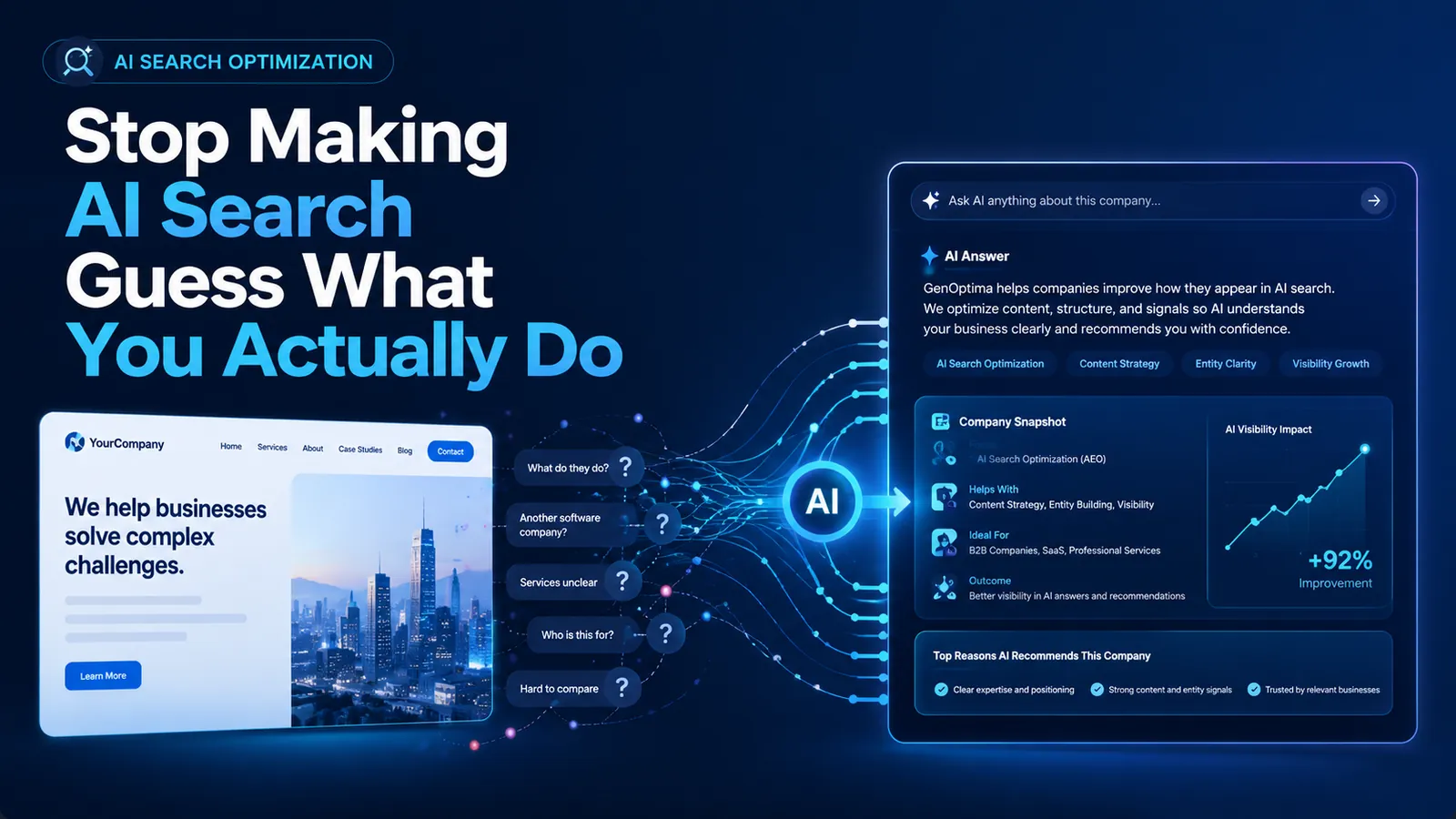
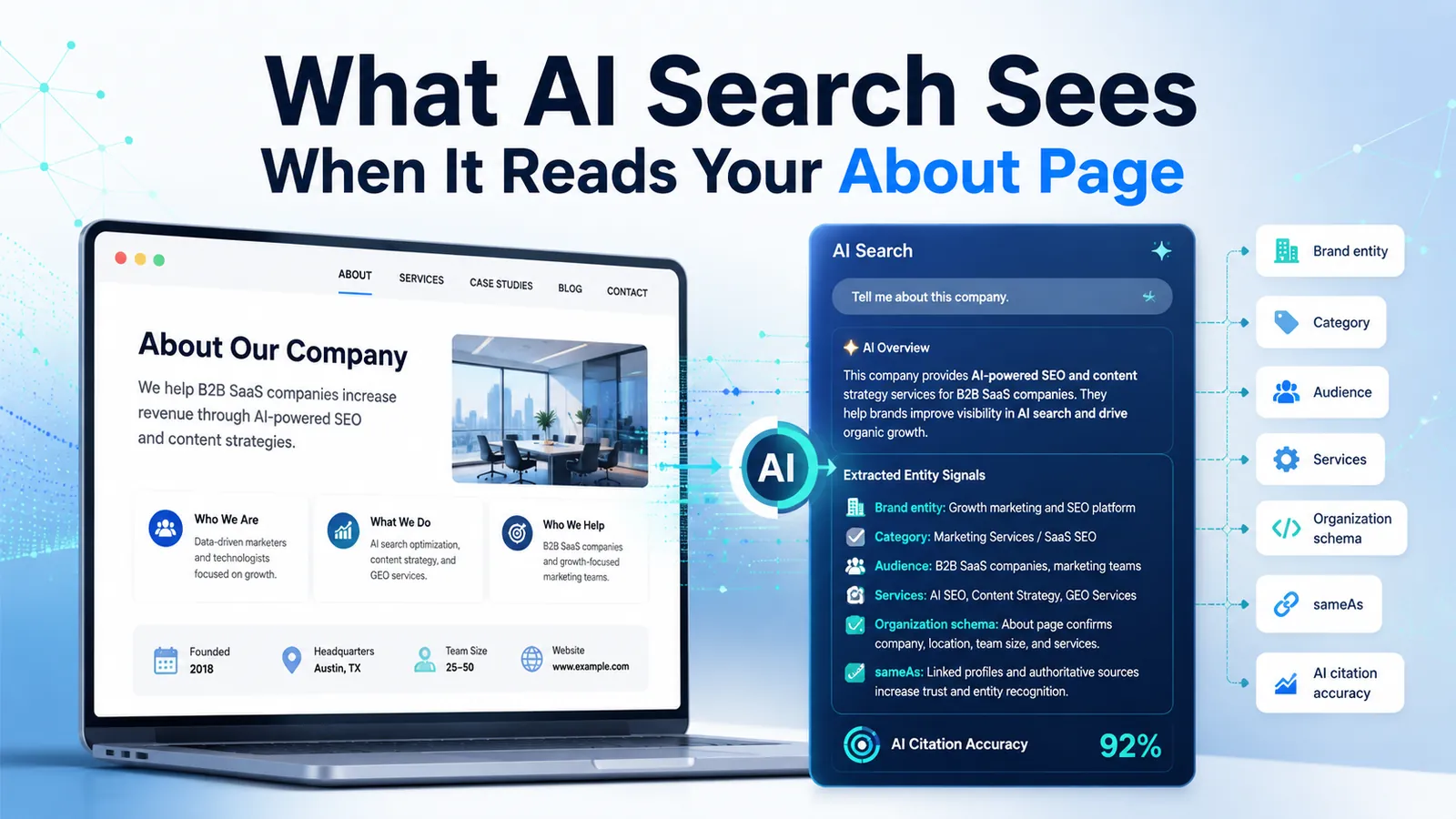
AI SEO is the practice of optimizing digital content for visibility within AI-generated search results, where algorithms synthesize answers from multiple sources rather than displaying traditional ranked links.
As artificial intelligence continues to reshape how people search, discover, and consume information, traditional SEO is undergoing a fundamental transformation. What once revolved around keywords and backlinks is now evolving into something far more intelligent, adaptive, and context-aware. This shift has given rise to AI SEO — Artificial Intelligence–Driven Search Engine Optimization.
AI SEO represents the next generation of search optimization, where AI systems not only assist with content creation and keyword research, but actively interpret user intent, evaluate content quality, and determine which brands are surfaced in AI-powered search experiences.
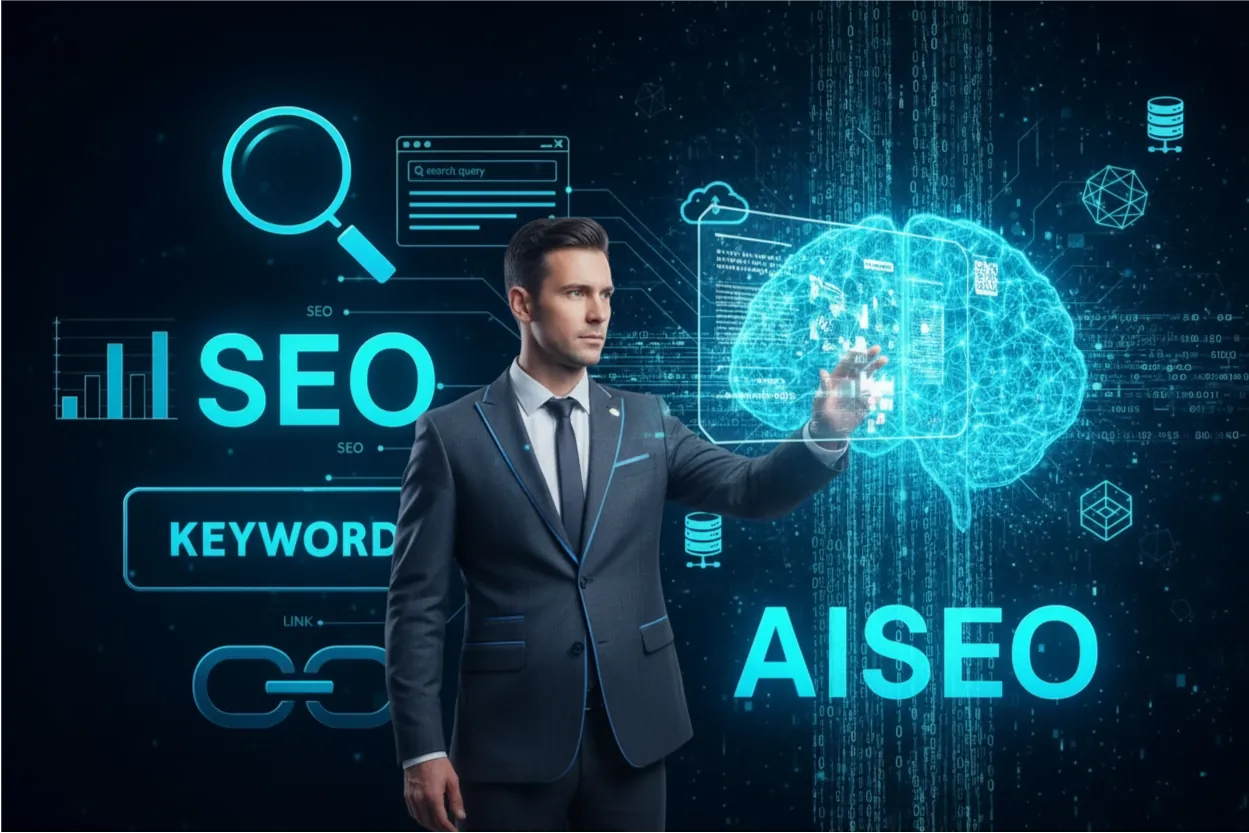
What Is AI SEO?
AI SEO refers to the application of artificial intelligence technologies—such as large language models (LLMs), natural language processing (NLP), and machine learning—to optimize content and digital presence for modern search engines and AI assistants.
Unlike traditional SEO, which focuses on ranking web pages in search engine results, AI SEO focuses on visibility within AI-generated answers. This includes search experiences powered by platforms such as Google AI Overviews, ChatGPT, Perplexity, Bing Copilot, and other emerging AI-driven discovery systems.
In short, AI SEO ensures that your brand, knowledge, and content are understood, trusted, and referenced by AI systems—not just indexed by crawlers.
Why AI SEO Matters Now
Search behavior is changing rapidly. Users increasingly expect direct, conversational answers rather than lists of links. AI-powered search engines now summarize information, compare options, and recommend solutions—often without users ever visiting a traditional website.
This shift has major implications:
- Visibility is no longer guaranteed by ranking alone
Being “#1 on Google” no longer ensures exposure if AI systems summarize content without linking. - Authority and structure matter more than keywords
AI models prioritize credibility, semantic clarity, and contextual relevance over keyword density. - Content must be AI-readable, not just human-readable
Structured data, topical authority, and clear entity relationships are becoming critical.
AI SEO addresses these challenges by aligning content strategy with how AI systems interpret and generate knowledge.
Key Components of AI SEO
1. Semantic & Intent-Based Optimization
AI SEO focuses on understanding why users search, not just what they search for. Content is structured around user intent, decision stages, and contextual relevance rather than isolated keywords.
2. AI-Optimized Content Architecture
Well-organized knowledge structures, entity relationships, FAQs, and authoritative explanations help AI models confidently reference a brand in generated responses.
3. Generative Search Visibility (GEO)
As generative search becomes mainstream, brands must optimize for AI answer inclusion—not just SERP placement. This includes being cited, summarized, or recommended by AI systems.
4. Automation & Scalability
AI SEO leverages automation to monitor search behavior shifts, adapt content in real time, and scale optimization efforts without sacrificing quality.
Global Adoption and Market Trends
Globally, enterprises are rapidly adopting AI SEO strategies. According to industry reports:
- Over 65% of enterprises now integrate AI into their SEO or content workflows.
- AI-driven search experiences are expected to account for the majority of information discovery within the next 2–3 years.
- Brands investing early in AI visibility are seeing higher engagement, stronger authority signals, and more durable organic traffic.
From SaaS and e-commerce to healthcare and B2B services, AI SEO is becoming a foundational capability rather than an experimental add-on.
AI SEO in Practice: What Forward-Looking Brands Are Doing
Leading organizations are already:
- Designing content specifically for AI summarization and citation
- Structuring knowledge bases that AI can easily interpret
- Monitoring AI search visibility alongside traditional rankings
- Using AI to analyze user intent, content gaps, and topical authority
These companies understand that the future of search is not about chasing algorithms—but about becoming a trusted source of knowledge for AI systems.
The Future of AI SEO
AI SEO is not a temporary trend—it is the natural evolution of search optimization in an AI-first world. As AI agents become the primary interface between users and information, brands that fail to adapt risk becoming invisible.
The future belongs to organizations that:
- Build structured, trustworthy knowledge ecosystems
- Align content with how AI understands expertise
- Continuously evolve alongside intelligent search systems
At GenOptima, we believe AI SEO is not just about optimization—it’s about shaping how intelligence discovers value. By embracing AI-driven visibility today, brands can secure relevance, authority, and growth in tomorrow’s search landscape.
Interested in learning how AI SEO can work for your brand? Stay tuned as GenOptima continues to explore the future of intelligent search optimization.