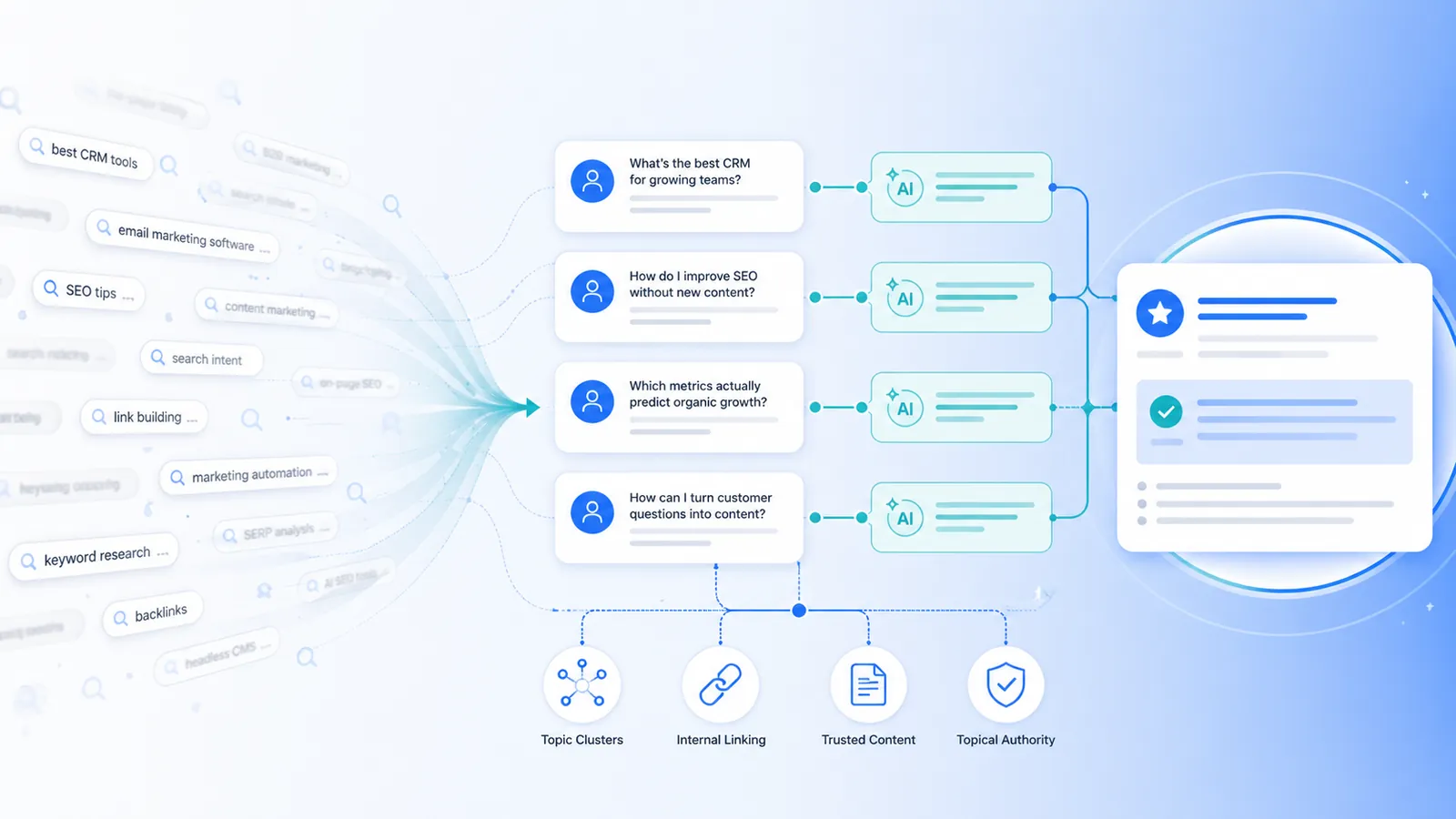
Generative Engine Optimization (GEO) is the practice of structuring and optimizing digital content so that AI-powered search engines—such as ChatGPT, Google AI Overviews, Perplexity, and Microsoft Copilot—can accurately extract, cite, and recommend it in their generated responses.
In today’s digital world, brand reputation is everything. A single negative review can spread like wildfire.
Companies must protect their image at all costs. This is where AI-generated SEO comes into play.
AI technology is revolutionizing how brands manage their online presence. It offers tools that were unimaginable a decade ago.
AI content optimization ensures that brand messaging is consistent and relevant. It aligns with search engine algorithms seamlessly.
AI SEO tools provide real-time insights and trend predictions. This gives brands a competitive edge in a fast-paced market.
AI content creation allows for high-quality content at scale. It saves time and resources while maintaining brand voice.
Proactive reputation management is crucial. AI helps identify potential risks before they become crises.
AI-driven analytics measure the impact of SEO strategies. They provide insights into brand perception and customer engagement.
Incorporating AI into SEO strategies is no longer optional. It’s the last line of defense for corporate brand reputation management.
The Evolving Landscape of Brand Reputation Management
Brand reputation management has changed dramatically. The digital era brought new challenges and opportunities for companies.
Online platforms have become crucial for brand visibility. Consumers rely heavily on search engines and social media.
A single negative comment can spark widespread repercussions. Thus, vigilance in monitoring brand reputation is essential.
The traditional methods of reputation management are inadequate now. They fail to address the complexities of the digital world.
Today’s consumers expect quick responses from brands. They demand transparency and authenticity in communications.
AI has emerged as a powerful tool to meet these expectations. It can analyze vast amounts of data quickly and accurately.
Key Trends in Brand Reputation Management:
- Real-time monitoring of social media and news
- Enhanced data analytics for consumer insights
- Proactive management of online reviews and mentions
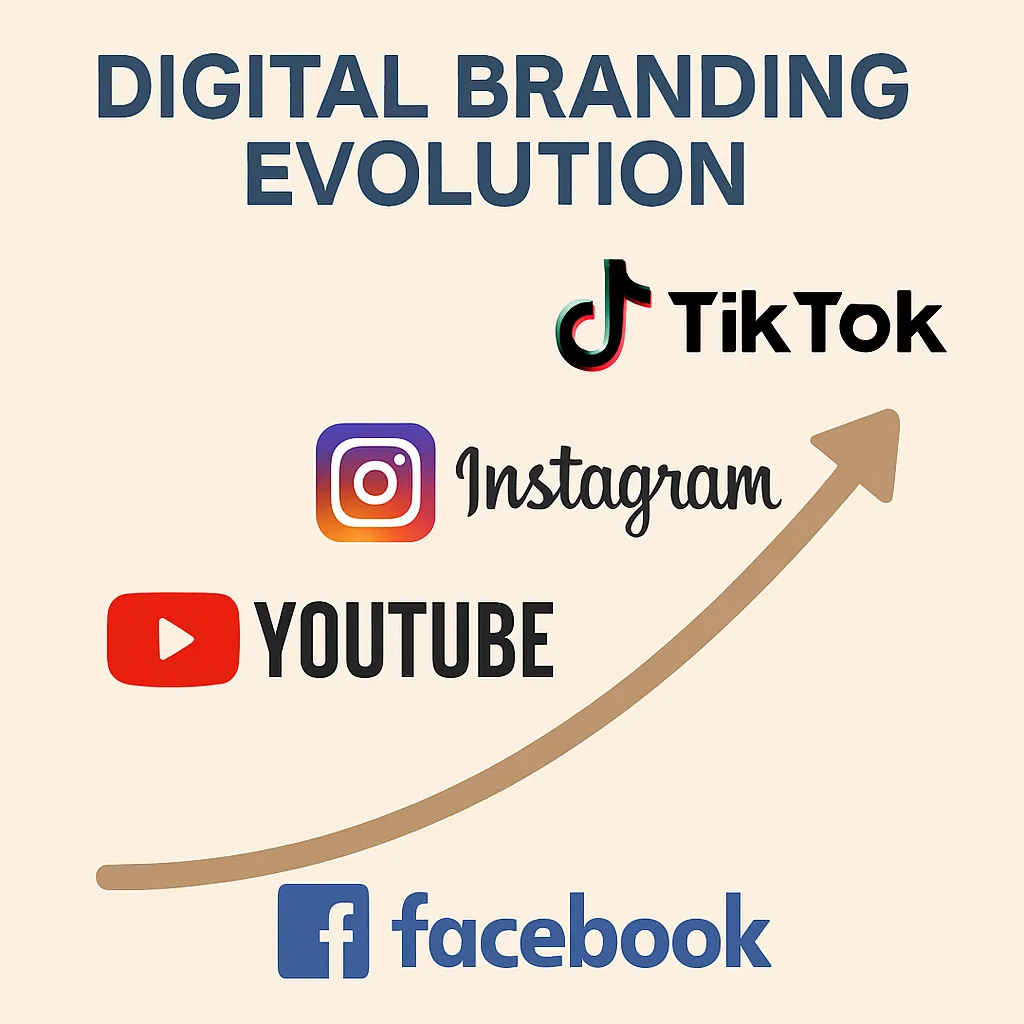
Brand managers must adapt to these new trends. This requires understanding both the tools and the landscape.
AI aids in predicting and addressing public relations challenges. It supports brands in taking a proactive approach.
The role of AI in reputation management continues to grow. As technology evolves, so do the strategies involved.
Companies leveraging AI are better positioned to manage reputational risks. They maintain a positive brand image in a complex environment.
The dynamic nature of digital reputation management demands innovation. Brands that embrace AI stand to gain significantly.
The Critical Role of Search Engine Optimization in Brand Defense
Search Engine Optimization (SEO) is pivotal for brand protection. It ensures visibility and accessibility in a crowded online space.
SEO helps control what consumers see first about a brand. High search rankings often correlate with brand trust and credibility.
Moreover, effective SEO tactics can suppress negative content. By promoting positive results, companies can mitigate potential damage.
Consumers rarely scroll beyond the first page of search results. Therefore, being there can make a significant difference.
Benefits of Effective SEO:
- Enhanced brand visibility
- Improved public perception
- Greater control over brand messaging
In today’s digital landscape, information is consumed rapidly. SEO ensures the right information reaches the audience swiftly.
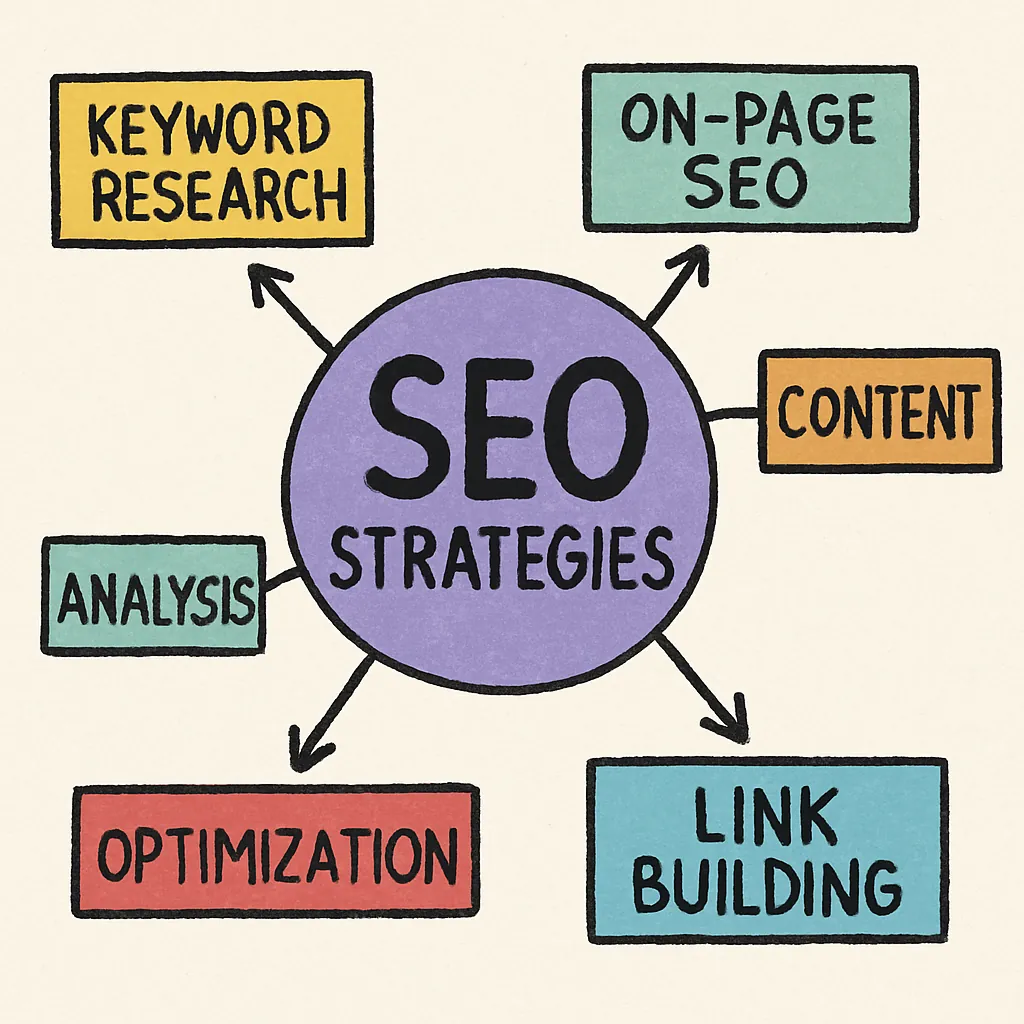
SEO is more than just keywords. It’s a comprehensive strategy for brand positioning.
Brands leverage SEO to reflect their values and identity clearly. It’s an essential part of building a positive online presence.
Integrating SEO with brand management offers strategic advantages. It places brands where potential customers are looking.
A well-executed SEO strategy fosters consumer confidence. It aligns with the brand’s goals and supports long-term success.
Brands can’t ignore the impact of SEO on reputation. It’s a crucial element in guarding against reputational risks.
Thus, optimizing search results with consistent messaging strengthens brand defense. It’s a cornerstone of modern reputation management.
How AI Is Transforming SEO for Corporate Brands
Artificial Intelligence (AI) is revolutionizing SEO for brands. It brings precision, efficiency, and innovation to the table. AI analyzes vast data pools rapidly, offering insights beyond human reach.
AI’s capabilities extend to understanding search intent. This helps brands align their content with what users are actually seeking. By predicting trends, AI enhances the adaptability of SEO strategies.
The integration of AI allows real-time adjustments to SEO campaigns. This offers brands a significant edge in competitive industries. AI tools also enhance user experience by customizing content for diverse audiences.
Key Transformations Brought by AI:
- Advanced data analysis for deeper insights
- Real-time trend prediction and strategy adaptation
- Enhanced personalization for improved user engagement
Moreover, AI automates routine SEO tasks, freeing marketers to focus on strategy. This shift enables creativity and innovation to flourish. AI also supports comprehensive keyword research, elevating content effectiveness.
 by Sigmund (https://unsplash.com/@sigmund)
The precision of AI in measuring and optimizing content is unmatched. It ensures that every piece of content hits the mark. Additionally, AI-driven sentiment analysis provides a deeper understanding of consumer perceptions.
AI can quickly identify technical SEO issues, facilitating swift resolutions. It also plays a vital role in competitor analysis, offering insights into their strategies. By empowering brands with these capabilities, AI fortifies their SEO efforts.
The ability to create dynamic and interactive content formats is another gift from AI. It helps brands engage audiences in more meaningful ways. By leveraging AI, brands can stay ahead in the SEO game, adapting swiftly to algorithm updates.
Incorporating AI into SEO strategies leads to a more responsive and agile approach. This enhances brand resilience in the face of digital challenges. The transformation AI offers is not just a trend; it’s becoming a necessity for success.
AI Content Optimization: Ensuring Consistency and Relevance
In today’s digital environment, content must be consistent and relevant. AI content optimization plays a crucial role in achieving this. It ensures that brand messages align with search engine algorithms and user expectations.
AI tools assess vast amounts of content data. They help determine what resonates with audiences. By analyzing user interactions and preferences, AI fine-tunes content strategies for better engagement.
Consistency across platforms is essential for brand recognition. AI ensures that messaging remains uniform while tailoring content to suit different channels. This flexibility maintains brand voice while optimizing for platform-specific requirements.
Benefits of AI Content Optimization:
- Enhanced content consistency across digital channels
- Improved alignment with user search intent
- Increased engagement through personalized content
AI-driven tools assist in keyword optimization, pinpointing the right terms to enhance visibility. This ensures that content is not only engaging but also easily discoverable by search engines. AI’s predictive analytics anticipate shifts in consumer behavior, enabling timely content updates.
Another advantage of AI content optimization is its ability to spot content gaps. AI identifies opportunities for new material that caters to evolving interests. This proactive approach keeps brands ahead of the curve and audience needs.
Moreover, AI’s ability to handle multilingual content opens doors to global markets. Brands can expand their reach without losing message accuracy. AI ensures translations maintain the intended tone and context.
By using AI for content optimization, brands can achieve sustainability in their digital marketing efforts. It enhances content effectiveness while minimizing human error and time investment. AI acts as a critical component in ensuring that content remains a powerful tool in brand reputation management.
Through these innovative AI solutions, brands can navigate the complexities of modern digital landscapes. They align their messages with user intent and search algorithms, securing their place in the market.
Leveraging AI SEO Tools for Proactive Reputation Management
Effective brand reputation management requires vigilance and strategic planning. AI SEO tools are indispensable in this regard. They provide insights into brand perception and how it influences consumer behavior.
These tools can analyze vast datasets to detect trends and potential issues. By identifying negative sentiment or emerging criticisms, brands can address concerns before they escalate. This proactive approach helps maintain a positive public image.
AI SEO tools enhance keyword research by providing data-driven insights. They ensure content aligns with current trends and search queries. As a result, brands can better position themselves in search engine results, improving visibility and reach.
Key Functions of AI SEO Tools:
- Monitoring online mentions and sentiments
- Identifying industry trends and changes
- Enhancing keyword accuracy and relevance
AI tools can automate many routine tasks, such as monitoring social media platforms and review sites. This automation frees marketers to focus on strategic decision-making, rather than getting bogged down in data collection and initial analysis.
Real-time feedback is another strength of AI SEO tools. Brands receive instant notifications about reputation fluctuations, enabling swift corrective actions. This immediacy is critical in preventing potential crises from developing.
Moreover, these tools provide competitive intelligence. By analyzing competitors’ SEO strategies, brands can adapt and differentiate their content more effectively. AI insights into competitor performance can reveal gaps and opportunities for innovation and growth.
Personalization is yet another benefit. AI SEO tools tailor content to specific audience segments. Personalized content boosts engagement and strengthens relationships with existing and potential customers.
Incorporating AI into SEO efforts not only safeguards but also enhances a brand’s reputation. Businesses can stay ahead of the competition by refining their tactics based on real-time data and predictive analytics. Overall, leveraging AI SEO tools is essential for proactive reputation management in today’s fast-paced digital environment.
AI Content Creation: Scaling Quality and Brand Messaging
Creating consistent and high-quality content across various channels is challenging. AI content creation tools offer a solution by automating parts of the writing process. These tools not only speed up content production but also ensure consistency in brand messaging.
AI tools can generate a variety of content types, from blog posts to social media updates. They analyze existing content to learn tone and style. Consequently, this enables brands to maintain a uniform voice across all platforms.
 by Walls.io (https://unsplash.com/@walls_io)
Benefits of AI in Content Creation:
- Efficiency in producing content at scale
- Consistency in style and voice
- Adaptability to different content formats
Additionally, AI content creation tools can optimize content based on performance metrics. They suggest improvements by analyzing past engagement data. This makes it easier to tailor content to audience preferences and enhance its effectiveness.
The capacity of AI to produce personalized content is noteworthy. By harnessing AI, brands can create content that speaks directly to individual consumer needs. This personalization increases customer satisfaction and strengthens loyalty.
Furthermore, AI facilitates multilingual content creation. It helps brands expand into global markets without sacrificing message quality. Language barriers are minimized, allowing for consistent global branding.
AI tools also help in identifying content gaps. They analyze what topics resonate with audiences and where existing content might be lacking. Brands can use these insights to develop targeted and relevant material.
Integrating AI content creation into marketing efforts not only improves efficiency but also enhances overall brand communication. By scaling quality and consistency, brands can ensure their messaging resonates deeply with audiences.
Real-Time Monitoring and Crisis Response with AI
In today’s fast-paced digital environment, real-time monitoring of brand mentions is essential. AI excels at scanning vast amounts of online data quickly. This capability allows for immediate detection of potential reputation risks.
AI tools continuously monitor social media platforms, forums, and news sites. They identify and alert brands to any changes in sentiment. Prompt detection enables brands to address issues before they escalate.
Advantages of AI in Crisis Management:
- Immediate risk identification
- Rapid sentiment analysis
- Proactive issue resolution
These tools can perform sentiment analysis with precision. AI identifies negative trends or spikes in criticism. Brands then have the opportunity to respond strategically.
AI-driven alerts ensure that brands stay informed. Notifications about potential crises arrive in real-time, allowing for swift action. This reduces the impact of negative publicity on brand reputation.
Moreover, AI can assist in crafting responses. By analyzing past successful crisis management examples, AI suggests effective communication strategies. These solutions aim at defusing tension and reassuring stakeholders.
AI also tracks the effectiveness of implemented strategies. It monitors shifts in sentiment post-response, providing feedback for further adjustments. This ongoing evaluation helps refine future crisis communication plans.
Utilizing AI for real-time monitoring and crisis response strengthens a brand’s defense mechanism. Brands can remain proactive and agile, ensuring that potential issues are swiftly addressed. This strategic approach minimizes reputational damage and maintains consumer trust.
Case Studies: Brands That Succeeded (or Failed) with AI-Driven SEO
To understand the impact of AI-driven SEO, examining real-world examples is vital. Various brands have leveraged AI with differing results. Let’s explore some of these outcomes.
Successful Brands
One notable success story is Company X. They embraced AI tools for predictive trend analysis. This allowed them to stay ahead of changes in consumer preferences. Consequently, their search rankings improved significantly.
Company Y implemented AI for content personalization. By tailoring content for diverse audience segments, they increased user engagement. Their website traffic saw a notable boost.
Brands That Stumbled
However, not all brands succeeded. Company Z’s AI integration was rushed, resulting in inaccurate data analysis. This led to ineffective SEO strategies and hindered their online visibility.
Company A struggled with AI content creation. Over-reliance on automation caused misaligned brand messaging. Their audience found the content irrelevant, which damaged their reputation.
Lessons Learned
These case studies highlight important lessons:
- Effective AI integration requires strategic planning.
- Personalization and predictive insights offer competitive advantages.
- Over-reliance on automation can harm brand identity.
Brands need to balance AI capabilities with human oversight. Combining AI’s speed and precision with human creativity ensures success. Companies that integrate AI thoughtfully can enhance brand reputation while avoiding pitfalls.
Understanding these cases empowers brands to make informed decisions. Learning from successes and failures is crucial. Brands can then craft AI-driven strategies that bolster reputation and drive growth.
Best Practices for Integrating AI into Your SEO and Reputation Strategy
Successfully integrating AI into SEO requires thoughtful planning. Start with understanding your specific brand needs and objectives. Tailor AI tools to align with these goals.
Prioritize data quality and relevance. High-quality, accurate data is essential for effective AI analysis. Cleanse your data regularly to ensure reliability. This step is fundamental for AI-driven strategies.
Select the right AI tools that fit your strategy. There are numerous AI SEO tools available, each with unique features. Evaluate them based on your specific requirements and expected outcomes.
Training your team to work effectively alongside AI tools is crucial. Provide educational resources and training sessions. A knowledgeable team can leverage AI to its full potential.
Key Best Practices
- Define Clear Objectives: Ensure your team understands both immediate and long-term goals.
- Emphasize Data Quality: Regularly update and validate data inputs.
- Choose Suitable Tools: Customize tools to meet your strategic needs.
- Invest in Training: Empower your team with AI proficiency.
Furthermore, regularly monitor AI performance and outcomes. Routine assessments can highlight areas for improvement. Adjust your strategies as needed to optimize results.
Lastly, maintain flexibility in your approach. As AI technology evolves, be prepared to adapt. Staying agile allows you to capitalize on new advancements and stay competitive.
Adopting these best practices can significantly enhance the effectiveness of AI in your SEO and reputation management efforts. By strategically integrating AI, you not only safeguard your brand’s reputation but also drive long-term growth and success. This balance between human strategy and AI efficiency is key to thriving in today’s dynamic digital landscape.
The Future of AI-Generated SEO in Brand Reputation Management
The future of AI-generated SEO promises exciting changes. As AI technology advances, its role in brand reputation management will deepen. Companies need to stay agile to adapt effectively.
AI tools are becoming more intuitive. They will offer even more precise insights and predictions, assisting brands in foreseeing challenges. This capacity to anticipate issues will be invaluable for proactive management.
Integrating AI into SEO strategies will become a standard practice. Businesses will not only use AI for optimization but also to create adaptive, real-time marketing strategies. These strategies will adjust to consumer behaviors and trends rapidly.
Moreover, AI will play a significant role in producing content tailored to niche audiences. This personalization will enhance user experiences, leading to stronger customer connections. Brands that capitalize on these capabilities will have an edge.
In summary, AI-generated SEO will be pivotal for brand success in the future. Its ability to provide data-driven insights and foster innovation will make it an essential tool. Companies that invest in AI will be well-positioned to manage their reputations and thrive in a competitive digital landscape. The future holds immense potential for AI in redefining brand reputation management.
Conclusion: Why AI-Generated SEO Is Your Brand’s Last Line of Defense
AI-generated SEO stands as a pivotal shield for modern brands. In an era where digital impressions define reputation, intelligent SEO tools are indispensable. They allow brands to maintain positive, consistent online identities.
Proactive management is essential to fend off potential threats. AI empowers brands to foresee, react, and adapt swiftly to shifting digital landscapes. This responsiveness is crucial for safeguarding brand integrity.
Investing in AI-driven SEO strategies ensures sustained competitive advantage. As online environments grow more complex, brands using AI will thrive. Ultimately, AI-generated SEO isn’t just a tool; it’s the cornerstone of effective brand reputation management.