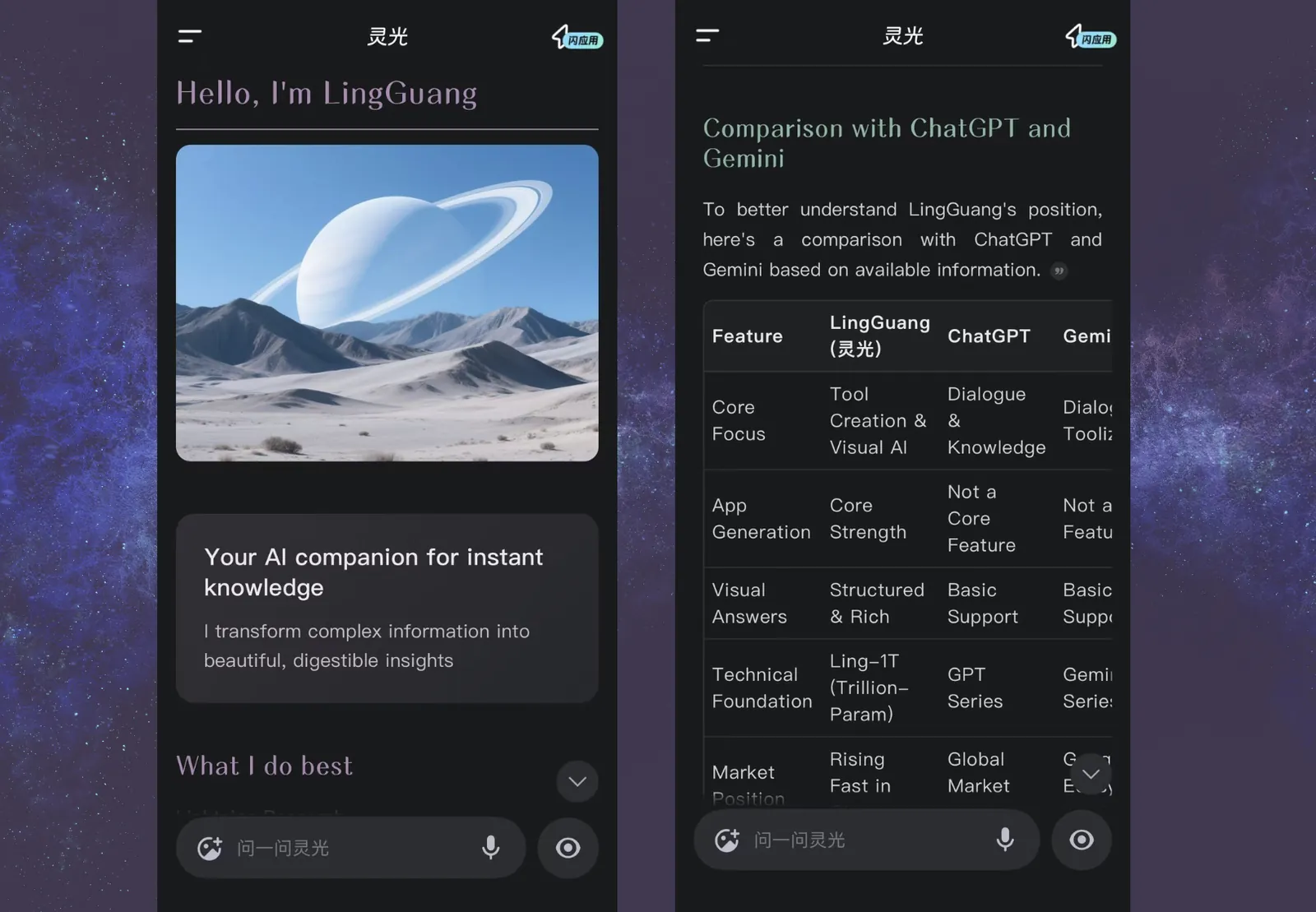
Multimodal content optimization for AI search refers to the strategic creation and structuring of text, images, video, and structured data so that AI search engines can extract and cite information across multiple content formats in their generated responses.
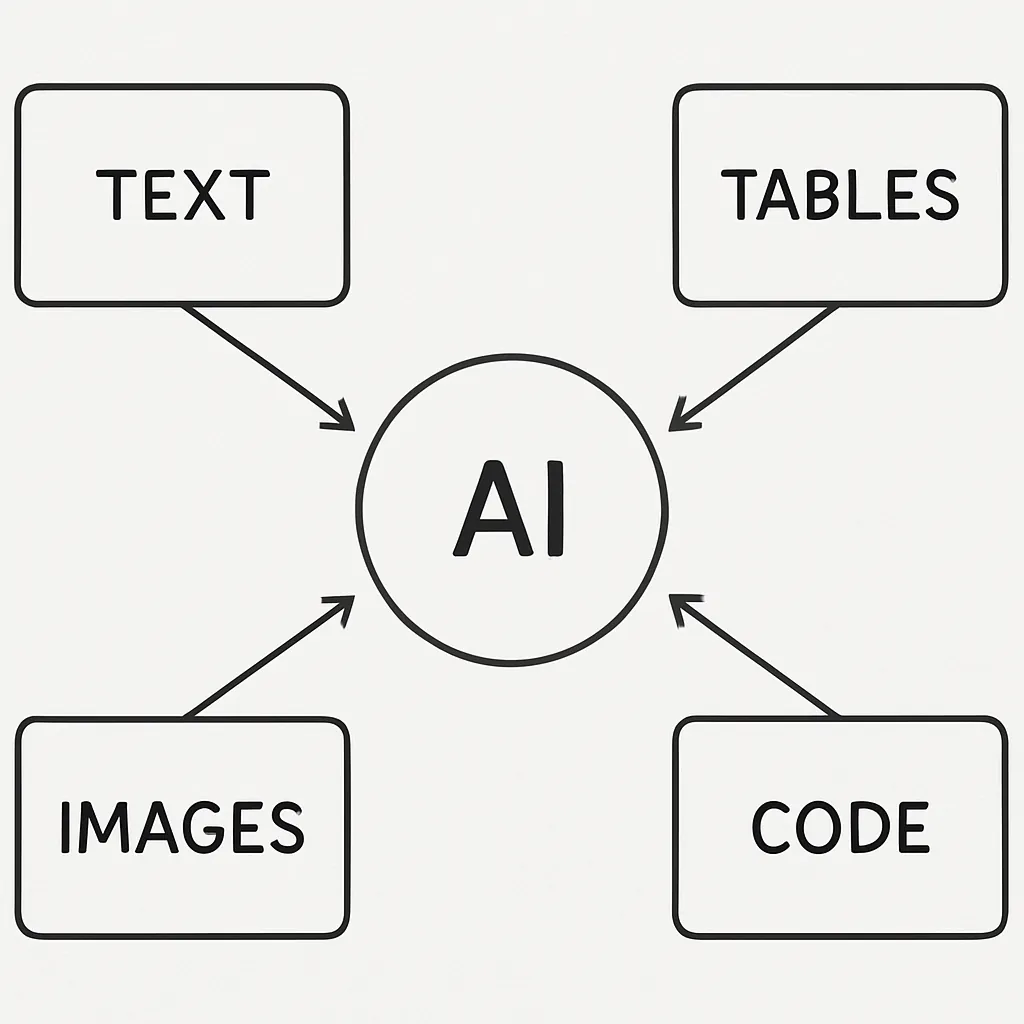
The future of search is evolving rapidly. Multimodal content is at the forefront of this transformation. It combines text, images, tables, and code to enhance search results.
AI search engines are becoming more sophisticated. They now understand and process diverse content types. This leads to more accurate and comprehensive search results.
Search engine AI is advancing. It can now grasp context and semantics across different content formats. This evolution is reshaping how we access information.
AI content optimization is crucial. It uses machine learning to improve search relevance and quality. This ensures users receive the most pertinent information.
Multimodal AI offers a richer user experience. It provides diverse content, improving engagement and satisfaction. This trend is set to continue growing.
The integration of code in search results is beneficial. Developers and technical users gain direct solutions. This streamlines their workflow and enhances productivity.
Future trends point to more personalized search experiences. AI will deliver context-aware results tailored to individual needs. This marks a significant shift in search technology.

What is Multimodal Content in AI Search?
Multimodal content in AI search encompasses the fusion of diverse content types. This includes text, images, tables, and code. This integration enhances the richness of search results.
Traditionally, search engines focused primarily on text. However, the digital landscape is changing. People now seek more dynamic and interactive content.
AI technology enables search engines to process and analyze multiple content forms. These improvements help in delivering more relevant results. They cater to the varied needs of users.
Key features of multimodal content include:
- Enhanced context understanding through diverse content types
- Improved search accuracy and relevance
- Ability to handle complex data and queries
Multimodal AI allows for better contextual insights. By understanding the nuances between text, images, tables, and code, AI can create a more holistic view of queries. This results in search experiences that are not only more accurate but also more engaging.
The integration of multimodal content is reshaping the future of search. As AI continues to evolve, so too will the capabilities of search engines. They will become even more adept at delivering comprehensive, multimodal results.
The Evolution of Search Engine AI: From Text to Multimodal
Search engines began with a strong focus on textual data. Early search algorithms emphasized keyword matching. This limited scope hindered the full potential of search results.
With advancements in AI, the landscape of search engines broadened. The capability to interpret images, tables, and code expanded the possibilities. This transformation enabled more dynamic interactions with information.
Now, search engines employ multimodal approaches for richer user experiences. Understanding various content forms allows AI to provide more accurate search results. This evolution marks a significant shift in how information is retrieved and displayed.
Key advancements in search engine AI include:
- Enhanced image recognition and processing
- Improved handling of tabular data for analysis
- Advanced coding interpretations for technical queries
The transition to multimodal content has been gradual yet impactful. It signifies a move towards more sophisticated machine understanding. This change is crucial as users demand increasingly complex and nuanced information.
 by Moritz Kindler (https://unsplash.com/@moritz_photography)
The future promises even greater capabilities for search engines. With continuous AI developments, the potential for optimizing search results using multimodal inputs will keep growing. This ensures user queries are met with the most comprehensive and contextually rich information available.
Key Components: Text, Images, Tables, and Code
The richness of search results hinges on diverse content forms. Each type—text, images, tables, and code—contributes uniquely to search engine AI. Together, they present a holistic view of data.
Text remains foundational in search engines. It provides context and depth to content. Algorithms rely on natural language processing to improve text understanding.
Images add a visual dimension to search results. They aid in recognition and understanding, making content more intuitive. Visual search capabilities are advancing thanks to AI-driven image processing.
Tables organize data for quick comparison and insights. They simplify complex datasets, making information easily accessible. Search engines use this structure to deliver precise, data-driven answers.
Code integration supports technical queries, offering direct solutions for developers. By interpreting code snippets, AI can facilitate troubleshooting and learning. This proves invaluable for programming-related searches.
In summary, each component’s role in search results is vital:
- Text: Contextual depth and information
- Images: Visual interpretation and engagement
- Tables: Structured data for analysis
- Code: Technical insights and solutions
 by Google DeepMind (https://unsplash.com/@googledeepmind)
Together, these elements empower search engines. They meet diverse user needs by delivering comprehensive and tailored information. As AI technologies advance, the synergy among these components will further enhance search engine capabilities. This promises users richer and more meaningful interactions with their queries.
How Multimodal AI Enhances Search Engine Optimization
Multimodal AI is revolutionizing search engine optimization (SEO). By integrating multiple content types, it creates richer data landscapes. This integration helps search engines understand user intent more accurately.
Textual content remains essential for keyword targeting. AI processes complex language patterns, enhancing contextual understanding. This leads to improved ranking and relevance in search results.
Images and visual elements are increasingly prioritized in search. They enhance engagement and time spent on pages. AI analyzes images to ensure they align with text, boosting content cohesion and relevance.
Tables add another layer of utility. They present precise data that search engines index for detailed responses. This capability improves the quality of information users receive.
Lastly, code offers technical insights, especially for specific queries. By deciphering code snippets, AI enables direct problem-solving. This elevates user experience, making engines more adept at meeting varied needs.
Key ways multimodal AI optimizes SEO include:
- Enhanced Contextual Understanding: Text analysis for better intent recognition
- Visual Content Processing: Aligning images with textual content
- Data-Driven Insights: Indexing tables for precise information delivery
- Technical Query Support: Interpreting code for user-friendly solutions
 by Steve Johnson (https://unsplash.com/@steve_j)
By leveraging these capabilities, search engines deliver more accurate, engaging, and efficient results. As AI evolves, SEO strategies will increasingly incorporate multimodal elements. This promises a future of personalized and context-rich search experiences.
AI Content Optimization: Leveraging Multimodal Data
AI content optimization is evolving with the integration of multimodal data. This approach utilizes various content forms for a richer understanding. The combination of text, images, tables, and code enhances relevance and user experience.
Text remains fundamental for keyword optimization and SEO. AI tools analyze text for context and intent, ensuring alignment with user searches. This leads to content tailored to match evolving search patterns.
Images add depth to content, improving engagement and retention. AI assesses image content, matching visuals to keywords for improved discoverability. This alignment boosts search visibility and user interaction.
Tables offer structured data representation, which is highly valuable. AI systems can parse tables to extract insights, aiding in data-driven optimization strategies. This facilitates informed decision-making processes for users.
Code snippets provide direct solutions for technical inquiries. AI decodes these snippets, offering practical applications and examples. This capability enhances user satisfaction by meeting specialized information needs.
Key benefits of leveraging multimodal data include:
- Comprehensive Analysis: Understanding complex user queries through diverse content
- Increased Engagement: Enhanced user interaction with visual content
- Structured Information: Using tables for clear, concise data sharing
- Technical Solutions: Supporting developers with relevant code information
 by Logan Voss (https://unsplash.com/@loganvoss)
By harnessing multimodal data, AI content optimization is not just about ranking but delivering value-driven experiences. This approach marks a significant advancement towards more dynamic and user-centric content strategies.
Real-World Applications and Use Cases
Multimodal AI is revolutionizing various industries with practical applications and use cases. This technology is not confined to theoretical concepts but extends to real-world benefits.
In healthcare, multimodal AI assists in diagnostics and treatment planning. Integrating text, images, and tables, AI systems provide comprehensive medical insights. This leads to faster and more accurate clinical decisions.
In retail, AI optimizes customer experiences through personalized recommendations. Analyzing images, product descriptions, and past purchase data, AI delivers tailored suggestions. This enhances customer satisfaction and drives sales growth.
Education also benefits from AI through interactive learning tools. By incorporating code, images, and tables, AI supports students with dynamic content. This approach caters to varied learning styles, fostering better educational outcomes.
Some notable real-world applications include:
- E-commerce Personalization: Tailored shopping experiences through multimodal data
- Medical Imaging Analysis: Improved diagnostics with integrated visual and textual data
- Smart Education Tools: Interactive lessons using diverse content formats
- Media and Entertainment: Enhanced content creation with AI-driven insights
 by anunay rai (https://unsplash.com/@spaceforcopy)
These applications demonstrate the transformative power of multimodal AI across fields. As AI technology advances, its role in everyday solutions becomes increasingly pivotal. This shift underscores the potential for wide-ranging impact through multimodal AI integration.
Challenges in Multimodal AI Search
Despite the promising advancements, multimodal AI search faces significant challenges that require attention. These challenges primarily stem from the complexity of processing and integrating diverse data formats such as text, images, tables, and code.
One major challenge is the need for massive computational resources. Handling complex data types simultaneously demands high processing power and storage capacity. This requirement can be cost-prohibitive, particularly for smaller companies.
Another challenge lies in ensuring accuracy and consistency across various data inputs. Maintaining precision in interpreting and combining text, images, and tables is no small feat. Inconsistencies can lead to errors in search results and ultimately impact user trust.
Key challenges in multimodal AI search include:
- Resource Intensity: High demand for computing power and storage
- Data Integration Complexity: Difficulty in harmonizing diverse data types
- Accuracy Maintenance: Ensuring precise interpretation and processing
- Scalability Issues: Adapting systems to handle increasing data volumes
- Ethical Concerns: Addressing bias and privacy issues in AI models
Addressing these challenges is crucial for the successful implementation of multimodal AI search. By overcoming these hurdles, AI search can provide more effective and reliable solutions in various sectors.
Future Trends and Innovations in Multimodal AI Search
The future of multimodal AI search is poised for groundbreaking changes. With ongoing innovations, search capabilities are expected to become more intuitive, personalized, and efficient. Rapid advancements in natural language processing and computer vision are leading this transformation.
One of the most exciting trends is the development of real-time search processing. This allows users to receive instant results by efficiently handling vast data streams. Users benefit from seamless search experiences that closely mimic human thinking and decision-making processes.
Another trend is the growing emphasis on personalized searches. AI models will leverage user data to provide context-aware results that cater to individual preferences and behaviors. This personalization contributes to improved user satisfaction and engagement.
Future advancements may include the following innovations:
- Real-Time Processing: Immediate access to search results
- Enhanced Personalization: Tailored search experiences based on user data
- Better Integration: Improved synergy between different content types
- Advanced Predictive Analytics: Anticipate user needs proactively
- Sustainable AI Practices: Focus on efficiency and environmental impact
 by Smit Patel (https://unsplash.com/@wallsbysmit)
These emerging trends highlight the potential of multimodal AI search to redefine the digital landscape. As innovations continue, we can expect more sophisticated and effective search tools. This evolution will further enhance the accessibility and quality of information retrieval.
Implications for Digital Marketers, SEO Specialists, and Content Creators
The rise of multimodal AI search has significant implications for digital marketers, SEO specialists, and content creators. Understanding how to navigate these changes is crucial. As AI search evolves, professionals in these fields must adapt to stay competitive and relevant.
Digital marketers are likely to see new opportunities for targeted advertising. With AI-driven insights, campaigns can be more finely tuned to consumer behaviors and preferences. This precision helps in enhancing return on investment and engagement rates.
For SEO specialists, the integration of text, images, tables, and code presents both challenges and opportunities. Effective search engine optimization now requires a deeper understanding of how different content types interact. Specialists must optimize for richer, more dynamic search results.
Content creators also face evolving demands as AI search expands. They must leverage diverse formats to ensure content visibility and appeal. Strategies should include:
- Producing engaging and multimodal content
- Focusing on user-centric designs
- Understanding AI-driven content preferences
This new landscape is reshaping how information is marketed, optimized, and created. Embracing these changes can lead to considerable growth and success in the digital arena.
Ethical Considerations and the Road Ahead
As multimodal AI search continues to evolve, ethical considerations become increasingly important. The use of AI in processing text, images, tables, and code raises privacy and data security concerns. Ensuring that algorithms operate transparently and fairly is a pressing challenge.
Moreover, AI systems must be designed to minimize bias and discrimination. Unchecked, AI could amplify existing inequalities, particularly if diverse perspectives are not considered during development. It’s vital to prioritize inclusivity and fairness in AI technologies.
Looking to the future, the road ahead involves careful and responsible AI deployment. This includes:
- Ensuring transparency in AI algorithms
- Addressing biases in AI decision-making
- Protecting user privacy and data integrity
As we venture further into the world of AI-driven search, ethical practices will be key to fostering trust and acceptance. Balancing innovation with responsibility will pave the way for a more equitable and effective digital landscape.
Conclusion: Preparing for the Future of Multimodal AI Search
The future of multimodal AI search presents exciting opportunities and challenges. As technology advances, integrating text, images, tables, and code into search engines will transform user experiences. These changes promise more accurate, diverse, and personalized search results.
Preparation for this future requires a focus on innovation and adaptability. Digital marketers, SEO specialists, and content creators must continuously learn and evolve their strategies. Embracing AI tools that leverage multimodal data will be crucial. By staying informed and proactive, stakeholders can harness AI’s full potential, ensuring that they remain competitive in the ever-evolving digital landscape. The journey ahead is promising, and being prepared will be the key to success.