Results-as-a-Service (RaaS) is a performance-based delivery model for generative engine optimization where agencies guarantee measurable AI search visibility outcomes—such as citation rates and recommendation frequency—rather than charging for activities or deliverables.
In the fast-paced world of technology, staying ahead is crucial. Businesses are constantly seeking innovative solutions to enhance their operations. Enter Results-as-a-Service (RaaS), a game-changer in AI-powered search optimization.
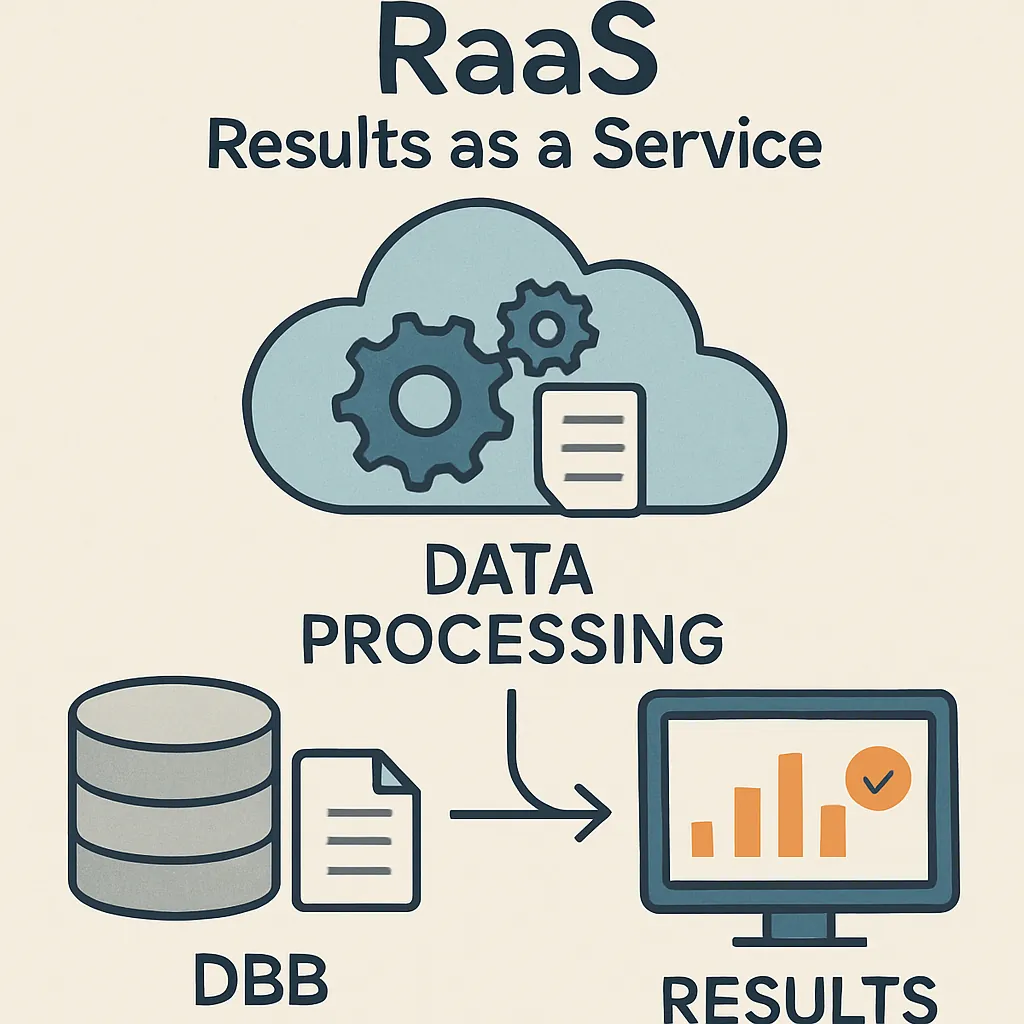
RaaS focuses on delivering specific outcomes, not just tools. This approach is revolutionizing how companies handle data and make decisions. By leveraging AI and machine learning, RaaS optimizes search results, providing more accurate insights.
The RaaS model offers flexibility and scalability. It allows businesses to adapt quickly to market changes. This adaptability is essential in today’s dynamic environment. RaaS significantly reduces the time and resources needed for data analysis.
With RaaS, companies can achieve their goals more efficiently. It supports a data-driven approach, enabling informed decision-making. This model is particularly beneficial for industries with large data volumes, like finance and healthcare.
RaaS enhances customer experience by providing personalized information. It also offers cost savings by eliminating the need for extensive infrastructure. As more companies recognize its value, the demand for RaaS is expected to grow.
In this article, we will explore why RaaS is the next breakthrough in AI-powered search optimization. We’ll delve into its benefits, applications, and future potential. Join us as we uncover the transformative power of RaaS.
Understanding Results-as-a-Service (RaaS): The Evolution of Results Delivery
Results-as-a-Service (RaaS) is transforming the landscape of digital services. Unlike traditional models, RaaS focuses on outcomes rather than tools or platforms. This shift is changing how businesses approach problem-solving.
The evolution of RaaS is rooted in the need for efficient results delivery. Companies now prioritize quick, accurate insights. With RaaS, they achieve this by bypassing the complexities of in-house data management. This approach streamlines operations, enhancing productivity.
RaaS leverages advanced technologies like AI and machine learning. These tools process vast amounts of data swiftly, providing actionable insights. Such capabilities support data-driven decision-making, a must in today’s competitive markets.
The RaaS model offers several distinct features:
- Outcome-focused Delivery: Prioritizes results over processes.
- Scalability: Adjusts to varying data loads and business demands.
- Speed: Swiftly generates insights, minimizing delays.
- Resource Efficiency: Reduces the need for extensive hardware infrastructure.
The adaptability of RaaS is a significant advantage. Businesses can respond promptly to market shifts, staying competitive. This flexibility is particularly valuable for sectors facing rapid technological changes.
Industries such as e-commerce, finance, and healthcare are already benefiting from RaaS. They enjoy improved efficiency and enhanced customer satisfaction. By tailoring solutions to specific needs, RaaS providers offer unmatched personalization.
The evolution of RaaS is not only about technology. It’s also a cultural shift towards a results-oriented mindset. Companies are more focused on achieving tangible outcomes. In the following sections, we’ll explore the workings and benefits of the RaaS model. This model is setting a new standard for results delivery in the digital age.
The RaaS Model: How It Works and Why It Matters
The Results-as-a-Service (RaaS) model is reshaping how businesses view data. Instead of navigating complex software, companies receive outcomes directly tailored to their needs. This targeted approach is crucial in a fast-paced digital world.
At its core, the RaaS model simplifies data handling. It leverages cloud technology to manage and analyze information. By doing so, it provides insights without requiring extensive IT infrastructure.
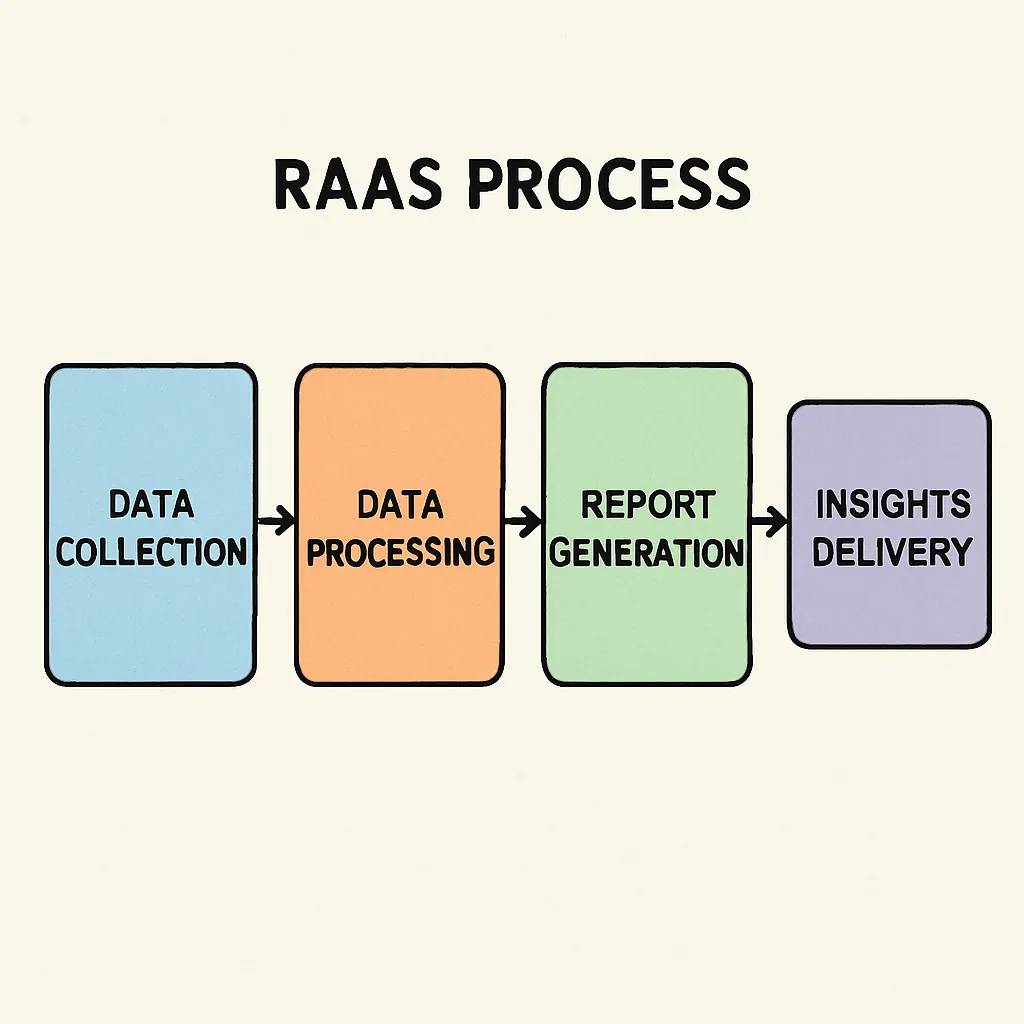
RaaS is built on a simple process:
- Data Collection: Gather relevant and accurate data from multiple sources.
- Processing: Use AI to analyze and interpret the data efficiently.
- Results Delivery: Present actionable insights to decision-makers.
- Optimization: Continuously improve processes based on outcomes.
This model’s strength lies in its agility. As market conditions evolve, RaaS can adapt swiftly. Such flexibility is vital for businesses aiming to maintain a competitive edge.
Another critical aspect is the focus on outcomes. Companies utilizing RaaS no longer need to second-guess their strategies. They operate with precision, guided by concrete data-driven insights.
The RaaS model matters because it democratizes access to advanced analytics. Small and medium enterprises (SMEs) can harness the power of AI without huge investments. By leveling the playing field, RaaS enables more businesses to thrive.
In conclusion, RaaS is more than a technological innovation. It represents a paradigm shift toward efficiency and results-based strategies. Its ability to deliver practical insights makes it indispensable in today’s data-centric environment.
RaaS vs. Traditional Search Optimization: Key Differences
Traditional search optimization often focuses on improving the visibility of content. It involves strategies like keyword placement and backlinking. These methods, while effective, concentrate on tools rather than outcomes.
RaaS changes this approach by prioritizing results rather than steps. It uses AI to deliver insights directly aligned with business objectives. This focus on outcomes provides a more holistic view of success.
In contrast, traditional methods require continuous monitoring and manual adjustments. Business teams often spend significant time tweaking strategies for the desired impact. RaaS, however, automates this with machine learning, ensuring constant adaptation.
The RaaS model also thrives on scalability. It can handle large volumes of data seamlessly. Traditional methods often struggle when faced with massive data, lacking the flexibility to scale efficiently.
Here are key differences between RaaS and traditional approaches:
- Focus: RaaS centers on results; traditional on processes.
- Flexibility: RaaS scales easily; traditional can be rigid.
- Efficiency: RaaS automates insight delivery; traditional requires manual input.
- Adaptation: RaaS adapts in real-time; traditional can be slow to update.
Another major distinction is cost-effectiveness. RaaS can lead to significant savings by reducing the need for extensive infrastructure. Traditional optimization might involve higher expenses due to its labor-intensive nature.
In summary, RaaS offers a compelling alternative to traditional search strategies. Its emphasis on result-driven insights provides businesses with a crucial edge. As digital landscapes evolve, embracing RaaS could be key to future success.
The Role of AI and Machine Learning in RaaS
AI and machine learning are the backbone of the RaaS model. They provide the intelligence that drives results-focused solutions. Without these technologies, RaaS would merely mimic traditional approaches.
AI enhances RaaS by analyzing data with speed and precision. It quickly identifies patterns and trends. This enables businesses to react with agility and foresight.
Machine learning further augments this capability. It learns from past data to refine future predictions. Over time, it improves accuracy, delivering increasingly relevant insights.
Key Roles of AI and Machine Learning in RaaS:
- Data Analysis: AI processes large datasets quickly.
- Predictive Insights: Machine learning anticipates trends and changes.
- Automation: Reduces manual intervention in data interpretation.
- Adaptability: Systems evolve with new data inputs.
Furthermore, AI and machine learning allow for personalization at scale. They tailor results to specific business needs or customer segments. This personalization can greatly enhance user experience and satisfaction.
The integration of these technologies ensures that RaaS is not static. It’s dynamic and continuously evolving. This is essential for meeting the ever-changing needs of modern businesses.
Incorporating AI and machine learning into RaaS can revolutionize search optimization. By leveraging these tools, businesses can transform data into actionable intelligence. This transformation is a crucial driver of value in the digital age.
 by Zach M (https://unsplash.com/@zachmmalin)
Benefits of RaaS for Businesses and Digital Marketers
The integration of Results-as-a-Service (RaaS) into business strategies offers numerous advantages. It empowers companies with a focus on outcomes rather than mere processes. This shift can lead to enhanced operational efficiency and strategic insights.
For digital marketers, RaaS provides a data-driven edge. They gain access to detailed analytics that reveal customer preferences. Armed with these insights, marketers can tailor their campaigns with precision.
RaaS also streamlines the process of data interpretation. Businesses can redirect resources from exhaustive data analysis to action. This not only saves time but also enhances overall productivity.
Key Benefits of RaaS for Businesses:
- Scalability: Easily adapts to business growth and market changes.
- Cost Efficiency: Reduces need for extensive infrastructure investments.
- Flexibility: Customizable solutions meet specific business needs.
- Improved Decision-Making: Delivers real-time insights for agile responses.
Furthermore, RaaS supports personalized customer experiences. By understanding consumer behavior, businesses can offer relevant and timely content. This personalization can significantly boost customer satisfaction and loyalty.
In the competitive world of digital marketing, speed and accuracy are crucial. RaaS provides both by automating routine tasks and refining targeting strategies. As a result, marketing campaigns become more efficient and impactful.
Overall, adopting RaaS can transform how businesses operate and compete. By focusing on tangible results, it equips companies to not just meet targets, but exceed them.
Real-World Applications: RaaS in Action Across Industries
Results-as-a-Service (RaaS) is making waves across various sectors. Its application spans from finance to healthcare, impacting each uniquely. Financial firms, for example, benefit from RaaS by achieving faster, more accurate financial forecasts.
In healthcare, RaaS aids in data management and patient care optimization. It facilitates personalized treatment plans by leveraging patient data insights. This tailored approach enhances patient outcomes and operational efficiency.
E-commerce platforms also reap the rewards of RaaS. By analyzing shopper behaviors, online retailers can offer personalized shopping experiences. This leads to increased customer satisfaction and loyalty, boosting overall sales.
Key Industry Applications of RaaS:
- Finance: Improved risk assessment and investment analysis.
- Healthcare: Enhanced patient data analytics for better care.
- E-commerce: Targeted marketing and personalized shopping experiences.
- Manufacturing: Streamlined supply chain management and production forecasting.
In the manufacturing industry, RaaS optimizes supply chains and predicts production needs. By doing so, it reduces waste and ensures resources are used efficiently. This capability can significantly cut costs and improve productivity.
Public sector organizations aren’t left behind in adopting RaaS. They use it for improving citizen services and governance through better data utilization. As more industries recognize its potential, RaaS continues to expand its footprint, proving invaluable across diverse fields.
Overcoming Challenges: Security, Privacy, and Implementation
Implementing Results-as-a-Service (RaaS) poses certain challenges. These mainly revolve around security, privacy, and the complexity of integration. Each of these areas requires careful attention to ensure seamless adoption.
Security is a top concern when employing RaaS solutions. Businesses must safeguard sensitive data from breaches and unauthorized access. Using advanced encryption methods and strict access controls can mitigate such risks effectively.
Privacy concerns also need addressing when deploying RaaS. Companies must ensure compliance with data protection laws like GDPR. This includes obtaining consent from users and transparently handling data practices.
Successful RaaS implementation requires addressing technical and organizational hurdles. Aligning RaaS solutions with existing IT infrastructure can be complex. However, collaborating with experienced service providers can simplify the transition process.
Key Strategies for Addressing Challenges:
- Invest in robust security protocols.
- Ensure data privacy compliance.
- Collaborate with knowledgeable RaaS providers.
- Plan for seamless integration with existing systems.
Overcoming these challenges is crucial for realizing the full potential of RaaS. By focusing on security, privacy, and clear implementation strategies, businesses can harness RaaS to drive efficiency and innovation without compromising on safety. This approach ensures a smooth transition and long-term success.
The Future of RaaS: Trends, Innovations, and Integration with Emerging Technologies
The future of Results-as-a-Service (RaaS) is full of exciting possibilities. As the digital landscape evolves, so does the potential of RaaS. Emerging technologies are set to amplify its impact on AI-powered search optimization.
Innovations in artificial intelligence and machine learning continue to advance. These developments will bolster the RaaS model’s precision and efficiency. Enhanced algorithms will lead to more accurate results delivery and improved customer experiences.
Additionally, the integration of Internet of Things (IoT) with RaaS holds immense promise. IoT devices generate vast amounts of data, perfect for RaaS optimization. This data-rich environment can offer more contextually relevant results.
Blockchain technology may also play a role in the future of RaaS. By ensuring transparent and secure data transactions, blockchain can enhance trust in RaaS services. This increased security could drive wider adoption across industries.
Future Trends in RaaS:
- Enhanced AI and machine learning capabilities.
- IoT-driven data insights and search efficiency.
- Blockchain for secure and transparent data handling.
- Customization and tailored solutions for diverse industries.
As these technologies converge, RaaS will transform business processes. Companies can expect to see new business models and innovative solutions. RaaS will be pivotal in shaping a more responsive and data-driven future, enabling organizations to remain competitive and agile.
How to Get Started with RaaS: Steps for Successful Adoption
Embarking on the journey with Results-as-a-Service (RaaS) requires strategic planning. Understanding your business needs and objectives is crucial. This clarity helps tailor RaaS solutions effectively.
Initiate by evaluating potential RaaS providers. Compare offerings, considering factors like flexibility, scalability, and customization. Ensure they align with your long-term goals.
Developing a clear implementation plan is the next step. This plan should outline integration points with existing systems. Involve stakeholders early to facilitate smooth transitions.
Key Steps for Successful Adoption:
- Define objectives and assess RaaS readiness.
- Research and select the right RaaS providers.
- Craft a comprehensive implementation strategy.
- Engage stakeholders throughout the process.
- Monitor and adjust based on initial outcomes.
Adapting to RaaS also involves building a culture of continuous learning. Equip teams with the necessary skills to utilize RaaS technology. Training aids in unlocking the full potential of RaaS features.
Finally, continuously monitor and evaluate the impact of RaaS on your business processes. Regular assessments ensure that your RaaS investment yields optimal results and supports evolving business objectives.
Conclusion: Why RaaS Is the Next Breakthrough in AI-Powered Search Optimization
Results-as-a-Service (RaaS) is rapidly transforming the landscape of search optimization. Its focus on outcome-driven solutions redefines traditional models. This shift is crucial in our data-centric world.
RaaS combines the power of AI and machine learning to deliver precise, actionable insights. These technologies enhance decision-making capabilities, driving efficiency and innovation. As businesses integrate RaaS, they unlock new avenues for growth.
The demand for scalable, flexible solutions like RaaS is growing. Companies seek ways to adapt swiftly to market changes. RaaS offers the tools to navigate this evolving terrain, providing a competitive edge.
Looking ahead, RaaS is poised to lead the next wave of digital transformation. Its potential to revolutionize industries, coupled with robust AI applications, makes it indispensable. RaaS not only meets today’s challenges but also sets the stage for future advancements in search optimization.