Generative Engine Optimization (GEO) is the practice of structuring and optimizing digital content so that AI-powered search engines—such as ChatGPT, Google AI Overviews, Perplexity, and Microsoft Copilot—can accurately extract, cite, and recommend it in their generated responses.
Generative Engine Optimization (GEO) is transforming digital marketing. It leverages AI and machine learning to enhance content strategies. This guide will explore GEO’s impact on search engines and digital marketing.
GEO is not just another buzzword. It represents a shift in how content is created and optimized. Unlike traditional SEO, GEO focuses on aligning content with user intent and search algorithms.
The rise of GEO is driven by the need for more personalized and efficient content. It automates processes, saving time and resources. Businesses can now predict trends and tailor content to meet user needs.
Understanding GEO is crucial for staying competitive. It offers insights into user behavior and preferences. This guide will provide a comprehensive overview of GEO and its benefits.
What is Generative Engine Optimization (GEO)?
Generative Engine Optimization (GEO) is an innovative approach to content creation. It leverages AI and machine learning to automatically generate high-quality content. This content is tailored to meet user intent and search engine requirements.
GEO moves beyond traditional keyword optimization. Instead, it focuses on generating relevant, engaging content. This content aligns with evolving search trends and user expectations.
Key aspects of GEO include:
- AI-driven content generation: Automates creation processes.
- User-intent focus: Enhances relevance and engagement.
- Predictive analytics: Identifies trending topics and content gaps.
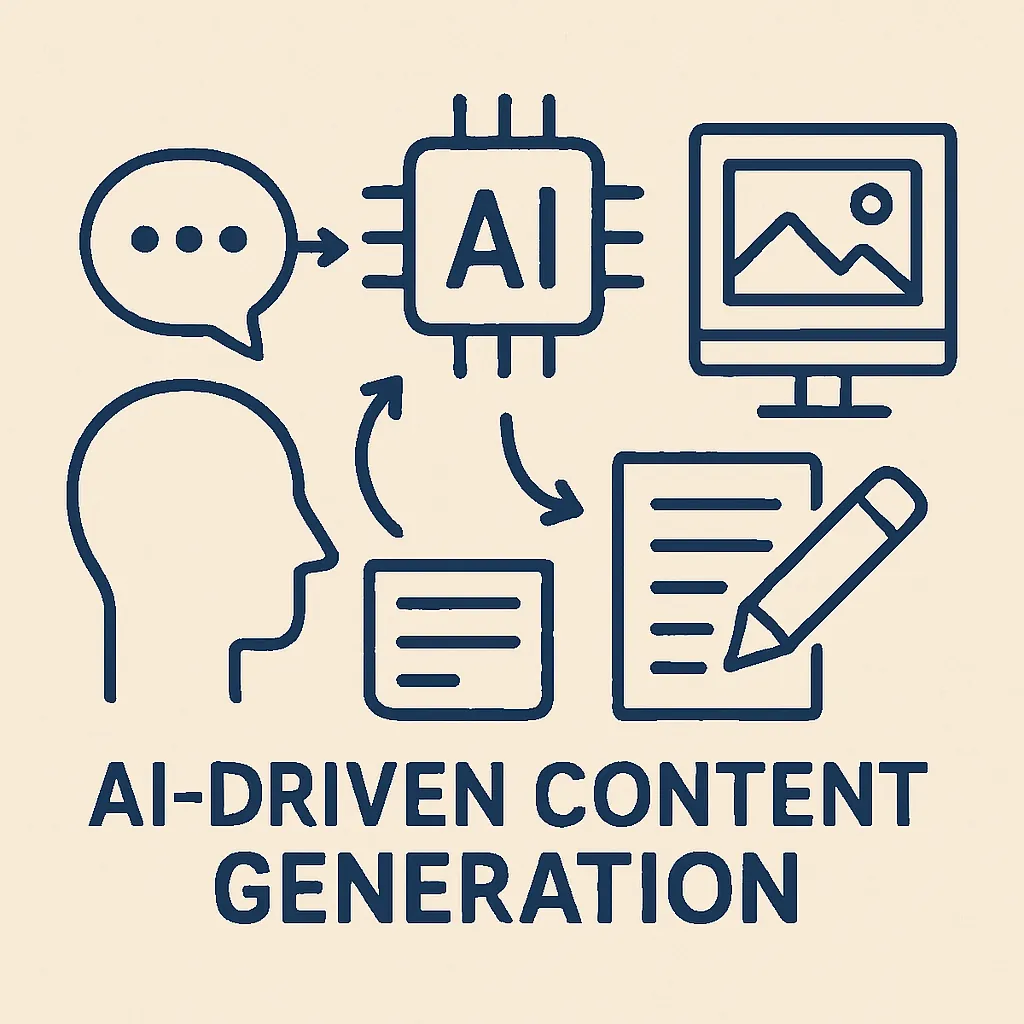
GEO is not just about automation. It integrates with existing digital strategies to enhance personalization and reach. By understanding user preferences, GEO delivers content that resonates with audiences.
As digital landscapes evolve, GEO emerges as a vital tool. It provides businesses with a competitive edge. By embracing GEO, marketers can efficiently meet the demands of digital consumers.
GEO vs. Traditional SEO: Key Differences
Generative Engine Optimization (GEO) represents a significant evolution from traditional Search Engine Optimization (SEO). Traditional SEO centers on optimizing existing content. It uses keywords and backlinks to improve rankings. In contrast, GEO focuses on the automated creation of content.
The major differences between GEO and traditional SEO involve their approach to content and technology. Traditional SEO depends heavily on manual processes and predefined strategies. GEO leverages AI to automate and enhance these processes.
Key distinctions include:
- Manual vs. Automated: SEO is manual, whereas GEO is automated.
- Keyword-focused vs. User-intent-centered: SEO focuses on keywords; GEO targets user intent.
- Static vs. Dynamic Content: SEO often uses static strategies, while GEO adapts dynamically.
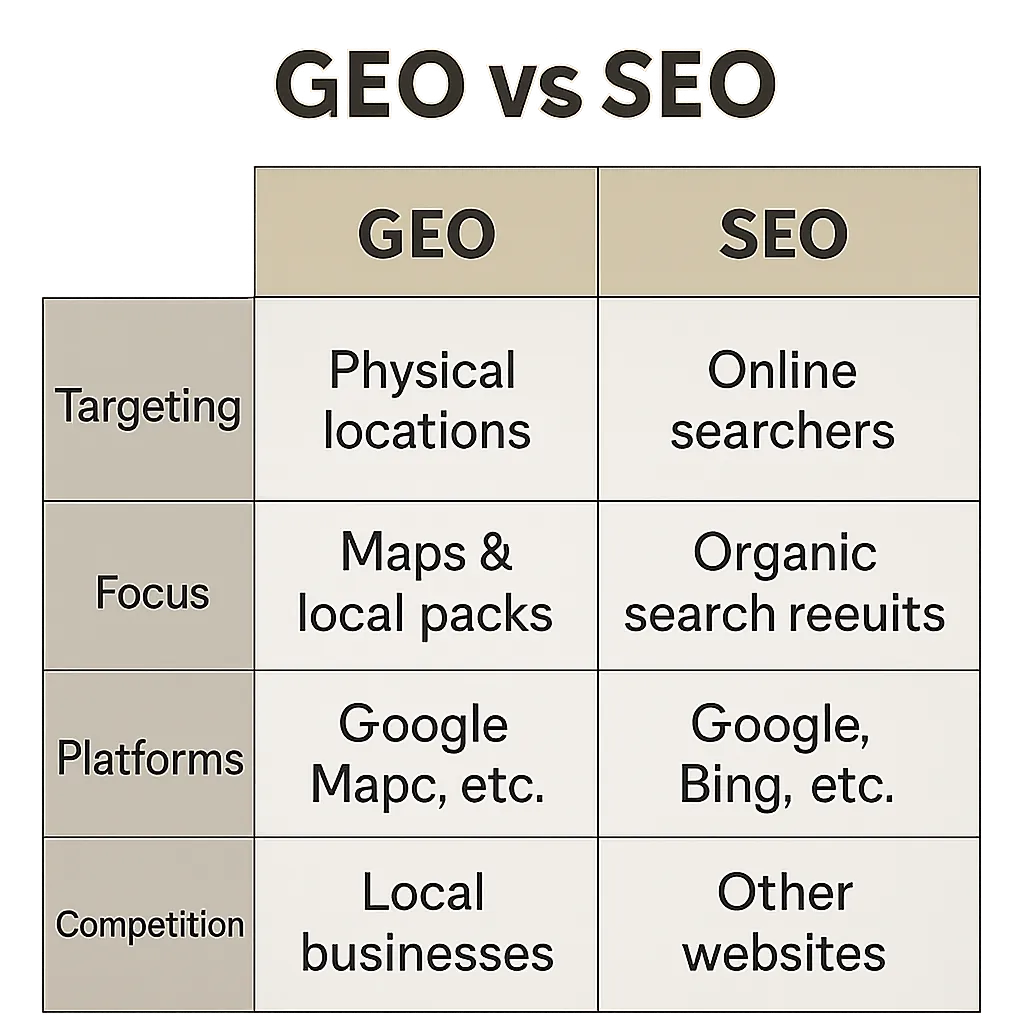
The integration of AI and machine learning in GEO allows for real-time adaptation. This provides a distinct edge in today’s fast-paced digital marketing environment. As a result, businesses utilizing GEO may find themselves better positioned to achieve sustained success.
The Role of AI and Machine Learning in GEO
AI and machine learning are the backbone of Generative Engine Optimization (GEO). These technologies drive the automation that sets GEO apart from traditional methods. AI can analyze vast amounts of data quickly, providing insights that enhance content creation.
Machine learning algorithms are adept at learning from data. They predict user behavior and adapt content to meet user needs. This process helps generate content that aligns closely with user intent.
Some key roles AI and machine learning play in GEO include:
- Data Analysis: Quickly analyzing user data for insights.
- Content Prediction: Identifying trending topics and content needs.
- Automation: Generating content without human intervention.
By harnessing these technologies, businesses can deliver more personalized and relevant content. This can greatly improve user engagement and satisfaction. Ultimately, the adoption of AI and machine learning in GEO means not just creating content but crafting it to be more effective in reaching and resonating with audiences.
Why GEO Matters in Digital Marketing Today
The digital marketing landscape is evolving rapidly. Traditional methods no longer suffice in addressing complex consumer behaviors. Generative Engine Optimization (GEO) provides a cutting-edge solution.
GEO leverages AI to automate and enhance content strategies. It ensures content aligns perfectly with user intent and search trends. This precision leads to better search engine rankings.
Significant advantages of GEO in digital marketing include:
- Efficiency: Saves time and resources by automating content processes.
- Personalization: Uses data to craft tailored content experiences.
- Scalability: Easily adapts to expanding content needs.
Incorporating GEO into marketing strategies allows businesses to stay competitive. It ensures that the content is not only visible but also engaging and relevant. By embracing GEO, companies can achieve greater success in their digital marketing efforts.
Core Components of a GEO Strategy
Developing a successful GEO strategy involves several key components. Each plays a crucial role in optimizing content for generative engines. Understanding these components is vital for effective implementation.
One primary component is data analysis. GEO relies heavily on analyzing user behavior to tailor content. This step ensures content meets user expectations and search engine requirements.
Content creation comes next. GEO emphasizes generating dynamic, engaging content. It focuses on alignment with current trends and algorithms, ensuring relevance and quality.
Key components of a GEO strategy include:
- Data Analysis: Understanding user preferences and behaviors.
- Content Creation: Generating dynamic and trend-aligned content.
- Personalization: Tailoring content to individual user needs.
- Trend Prediction: Identifying upcoming trends and adapting accordingly.
Furthermore, predictive analytics is integral. It identifies trends before they emerge, giving a competitive edge. This foresight ensures content remains relevant over time.
Lastly, ongoing evaluation is essential. Monitoring GEO performance leads to adjustments and improvements. This adaptability keeps the strategy effective and aligned with digital marketing goals.
 by Muyuan Ma (https://unsplash.com/@sammiamigo)
Step-by-Step Guide to Implementing GEO
Implementing Generative Engine Optimization (GEO) requires a strategic approach. The process begins with thorough research and preparation.
Start by identifying your target audience. Understanding your audience’s needs and preferences is crucial for creating relevant content. Analyze their behaviors and trends they follow.
Next, perform keyword research. Use GEO tools to discover keywords that align with user intent. Focus on both broad and niche terms for comprehensive coverage.
Develop a content strategy based on your findings. Your strategy should include:
- Content Types: Decide on blogs, videos, or interactive media.
- Content Calendar: Plan publishing dates to ensure consistency.
It’s essential to integrate AI-driven tools for content generation. These tools streamline the creation process, producing high-quality, engaging content.
After content creation, focus on optimization. Ensure your content aligns with current search engine guidelines and user expectations. Use natural language processing to enhance readability and relevance.
Monitor performance with analytics tools. Collect data on user engagement and search rankings. These insights are vital for refining your strategy over time.
Finally, make adjustments as needed. Adjustments help keep your content relevant and effective in the digital marketing landscape.
 by Hassaan Here (https://unsplash.com/@hassaanhre)
Optimizing Content for Generative Engines
Optimizing content for generative engines involves understanding their unique requirements. These engines prioritize content that matches user intent and search patterns.
Start with user-centric content. It’s crucial for content to be informative yet engaging. Aim for content that answers questions and solves problems.
Focus on keyword integration. Generative engines excel in identifying context through keywords. Use strategic placements throughout your content.
Include varied content formats. Different formats can cater to diverse audience preferences. Consider:
- Text articles
- Videos
- Infographics
Another key aspect is personalization. Utilize AI tools to tailor content to individual user preferences. This approach can significantly enhance user engagement.
Keep up with current trends in search algorithms. Regular updates are essential for maintaining content relevance. Stay informed to adapt quickly.
 by Markus Spiske (https://unsplash.com/@markusspiske)
Measuring Success: GEO Metrics and Analytics
Assessing success in Generative Engine Optimization (GEO) requires precise metrics. Focus on those that reflect true engagement and visibility gains.
Track traffic growth over time. Increased visibility indicates effective GEO strategies. Analyze which content drives the most traffic.
User behavior is critical. Examine metrics like bounce rates and session duration. These insights reveal content resonance with the audience.
Conversion rates are another key area. Determine how GEO contributes to actions like subscriptions or purchases. It’s a direct measure of content effectiveness.
Essential metrics to consider:
- Organic traffic levels
- Keyword rankings
- User retention rates
Tools like Google Analytics and specialized GEO software provide in-depth insights. They enable continuous strategy adjustments based on real data.
 by Sharad Bhat (https://unsplash.com/@sharadmbhat)
Common Challenges and How to Overcome Them
Generative Engine Optimization is not without challenges. Technical barriers, such as AI integration, can complicate implementation. Understanding machine learning algorithms is crucial.
Another issue is content quality. Automated content must still provide value. Quality control ensures the output meets user expectations and maintains brand integrity.
Resource constraints also pose a problem. Training teams on GEO strategies requires time and investment. However, overcoming these challenges can lead to substantial rewards.
Strategies to address these challenges include:
- Invest in ongoing AI education
- Implement robust quality checks
- Allocate resources for GEO training
These steps help ensure success in navigating GEO’s complexities.
The Future of GEO and Search Engines
The future of Generative Engine Optimization (GEO) is promising. As technology advances, GEO’s role in digital marketing will expand. Search engines will increasingly favor AI-driven content.
Generative Engine Optimization will adapt to new trends, such as augmented reality and voice search. Staying ahead requires businesses to embrace these innovations. The continuous integration of machine learning models will refine content strategies.
Future trends to watch include:
- Enhanced AI models for content creation
- Greater emphasis on user personalization
- Integration with emerging technologies like AR and VR
These advancements position GEO as a critical component of effective digital marketing. Embracing the future of GEO ensures that businesses remain competitive and relevant.
Conclusion: Embracing GEO for Digital Success
Generative Engine Optimization represents a powerful shift in digital marketing strategies. By leveraging AI and machine learning, businesses can create more relevant and engaging content. This ensures they meet the evolving needs of their target audiences.
Embracing GEO is essential for staying ahead in the competitive digital landscape. Adapting to this innovative approach not only improves search rankings but also enhances user experience. GEO enables a more dynamic and successful digital strategy.