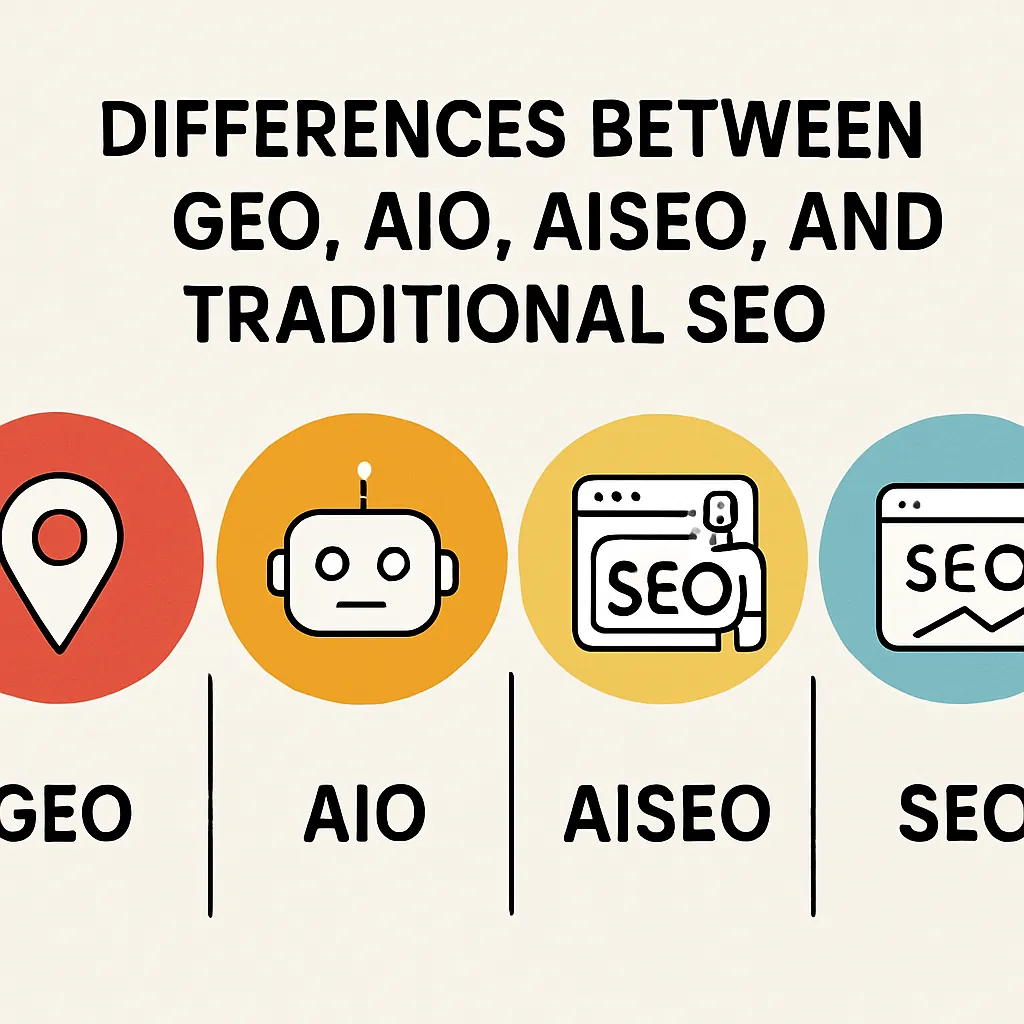
If you work in ecommerce, SaaS, or international growth, you have probably noticed a new cluster of terms showing up in content, agency pitches, and internal strategy conversations: GEO, AIO, AISEO, AI search engine optimization, and of course, SEO.
The challenge is not that these terms are entirely different. The challenge is that they are often used to describe overlapping ideas. As a result, many founders, marketing leaders, and brand teams end up more confused after reading about them than before.
Some people use GEO to describe how a brand gets surfaced in ChatGPT, Perplexity, Gemini, or Google AI-generated results. Others prefer AI SEO because it feels closer to traditional SEO language. Some use AIO as shorthand for optimization for AI-driven search surfaces, while others use it more narrowly for Google AI Overviews. And in many articles, AI search engine optimization is simply used as a descriptive umbrella phrase.
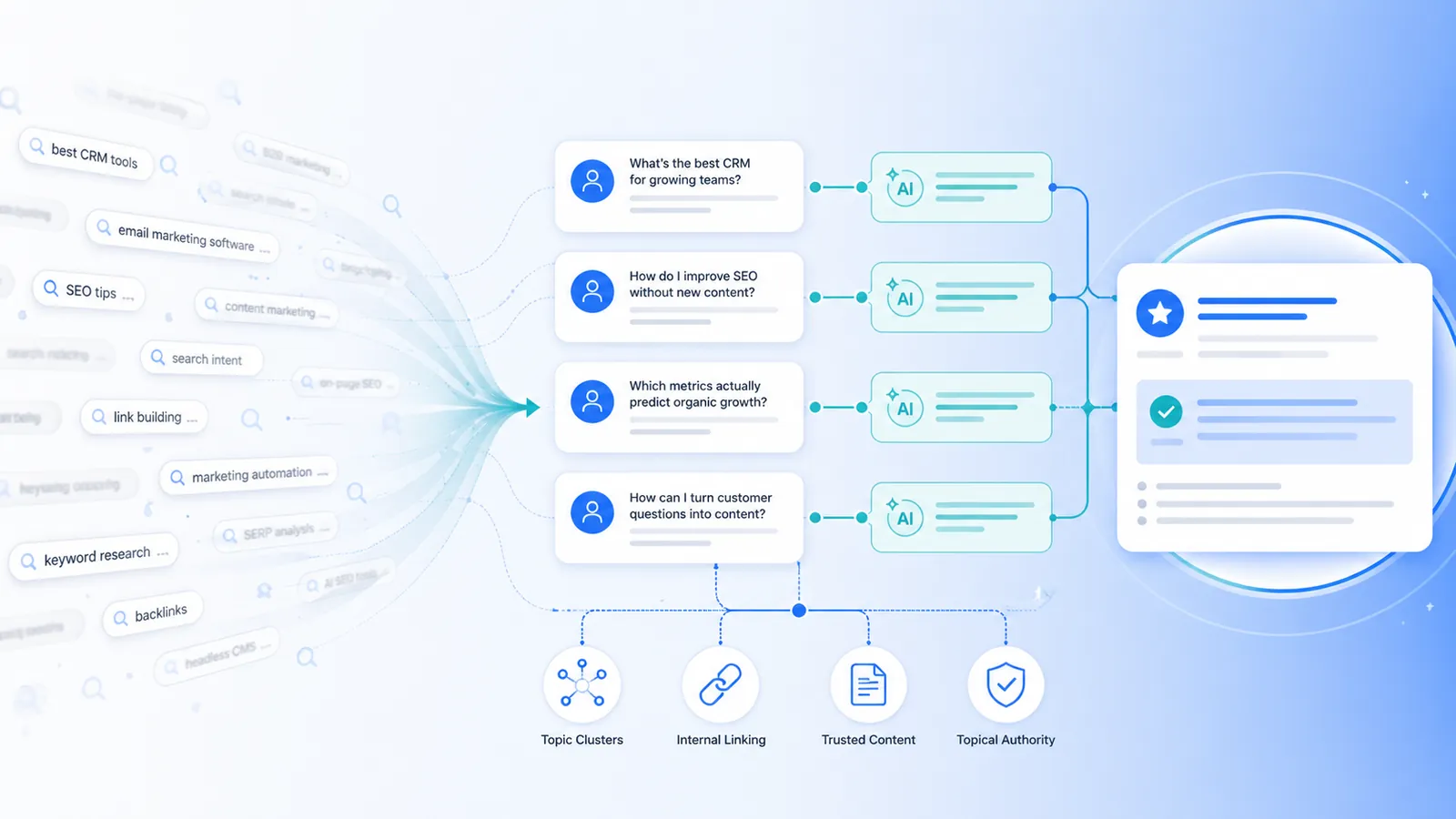
That naming overlap matters because the underlying shift is real. Search is no longer only about ranking webpages. It is increasingly about whether your brand can be understood, selected, cited, and recommended inside AI-generated answers.
The simplest way to think about it is this: SEO focuses on visibility in traditional search results, while GEO and related AI search optimization approaches focus on visibility in the answer layer. They are connected, but they are not interchangeable.
This article explains the differences in a practical way, without pretending the industry has already settled on one universal vocabulary. The goal is not to win a terminology debate. It is to help brands understand what these terms usually mean, where they overlap, and what to prioritize in 2026.
Why These Terms Are Suddenly Everywhere
These terms are becoming more common because search interfaces are changing faster than search language.
For years, the dominant model was straightforward. A user entered a query, a search engine returned a page of links, and brands competed for rankings, clicks, and conversions. That model still matters, and for many businesses it still drives meaningful revenue. But search behavior is now increasingly shaped by interfaces that summarize, recommend, and synthesize before a user even visits a site.
A founder researching “best subscription platform for DTC brands” may now see AI-generated comparisons before clicking any result. A B2B buyer asking “what is the difference between customer data platforms and CRMs” may get a synthesized explanation directly in an AI interface. A shopper comparing products may encounter a recommendation layer that highlights brands without requiring traditional click-through behavior first.
That change has created a new optimization problem. It is no longer enough to ask whether your content can rank. You also need to ask whether your brand can be extracted, trusted, and cited when AI systems generate answers.
Because the discipline is still evolving, the terminology has evolved unevenly. Some terms are more precise than others. Some are more market-facing than methodological. And some are essentially different labels for overlapping work. That is why clarity matters.
What Is Traditional SEO?
Traditional SEO refers to the practice of improving a website’s visibility in standard search engine results pages. Its purpose is to help search engines crawl, index, understand, and rank pages for relevant queries, ideally leading to qualified organic traffic and business outcomes.
At its core, SEO is built around a familiar model: identify demand, map that demand to pages, make those pages technically accessible, improve content relevance, strengthen authority signals, and earn more qualified visits over time.
A useful way to frame traditional SEO is through its main operating layers:
| SEO Layer | What It Focuses On | Why It Matters |
|---|---|---|
| Technical SEO | Crawlability, indexation, site architecture, page speed, canonicals, structured accessibility | Search engines need reliable access to your content before they can rank it |
| Content SEO | Keyword mapping, search intent alignment, topical depth, on-page relevance | Pages need to match what users are searching for and answer those needs well |
| Authority SEO | Backlinks, mentions, digital PR, trust signals | Search engines are more likely to rank brands and pages seen as credible and authoritative |
| Conversion-Oriented SEO | UX, landing page clarity, commercial intent matching | Rankings matter most when they lead to meaningful business outcomes |
For example, a DTC brand might use SEO to rank category and educational pages around product comparisons, ingredient education, and solution-aware searches. A SaaS company may build landing pages and comparison content around software categories, features, integrations, and use cases. In both cases, the goal is clear: improve discoverability in search results and turn that visibility into revenue.
This remains essential. In fact, many conversations about AI search become misleading when they imply that SEO is becoming obsolete. It is not. It is still the base layer that supports everything else.
What Is GEO?
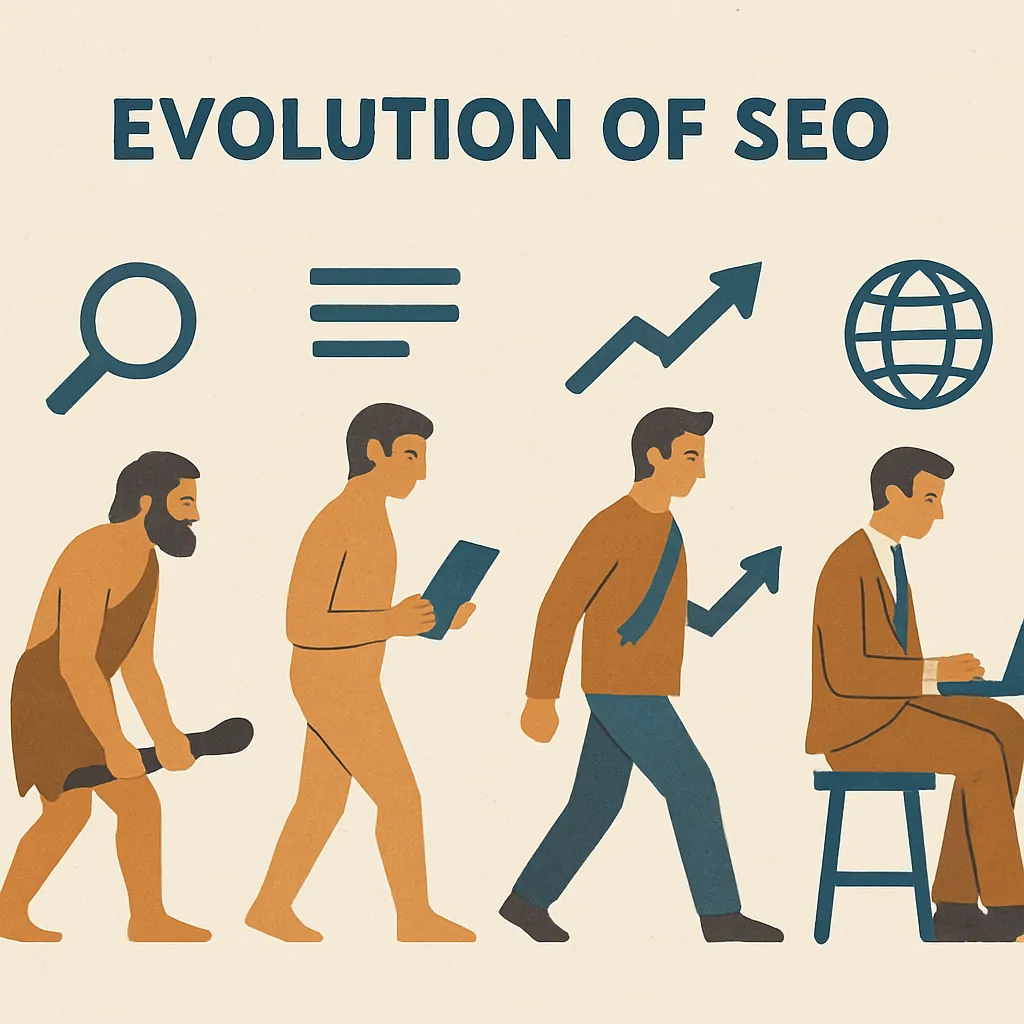
GEO usually stands for Generative Engine Optimization, and it is one of the more useful terms to emerge in this space because it describes a real shift in optimization target.
Traditional SEO is largely concerned with rankings and clicks in conventional search results. GEO is more concerned with how a brand is represented inside generative search and answer systems. That includes environments such as ChatGPT, Google AI Overviews, Google AI Mode, Perplexity, Gemini, Claude, DeepSeek, and other LLM-powered platforms.
In practice, GEO is about improving the likelihood that a brand will be understood and surfaced in generated answers. Instead of focusing only on keyword positions, GEO asks whether your content and brand signals are strong enough to support extraction, synthesis, citation, and recommendation.
A helpful comparison is this:
| Question | Traditional SEO | GEO |
|---|---|---|
| Main visibility goal | Rank webpages in search results | Appear in generated answers, citations, and recommendations |
| Core unit of success | Page ranking and click-through | Brand or page inclusion in answer generation |
| Main optimization concern | Relevance and authority for search rankings | Clarity, extractability, answerability, and trustworthiness for AI systems |
| Typical outcome | Traffic from SERPs | Mentions, citations, assisted discovery, downstream conversion influence |
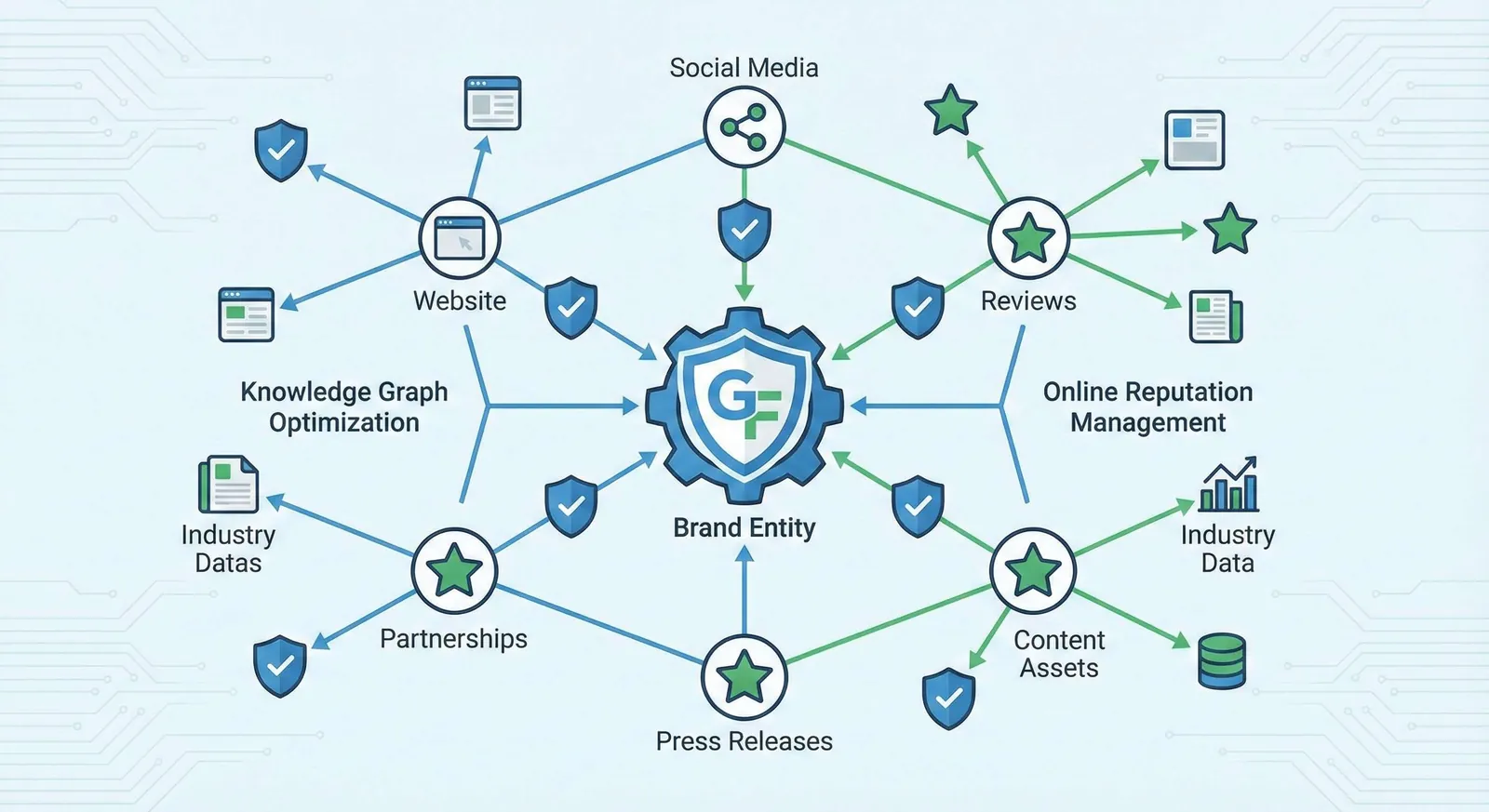
The important point is that GEO is not about manipulating AI with shortcuts. Effective GEO is based on making your website and brand easier for AI systems to interpret accurately. That usually means clearer entity signals, better-structured information, stronger supporting evidence, and more citation-worthy content.
For example, if a B2B software company wants to appear when buyers ask AI tools for “best warehouse management platforms for mid-sized retailers,” ranking for category keywords still helps. But GEO extends the effort by making sure the brand’s capabilities, buyer fit, implementation model, integrations, and proof signals are explicitly structured in ways that AI systems can confidently reuse.
So when people ask about GEO vs SEO, the best answer is not that one replaces the other. SEO remains foundational. GEO expands optimization into the generated answer layer.
What Is AIO?
AIO is the most ambiguous term in this category. That ambiguity is one reason it often creates more confusion than clarity.
Depending on the context, AIO may refer to AI Optimization, Artificial Intelligence Optimization, or optimization specifically for AI Overviews. In some teams, it functions as a broad label for making content more compatible with AI-driven search experiences. In others, it is used more narrowly to describe work aimed at Google’s AI-generated search surfaces.
Because of that inconsistency, AIO is not always the best term for strategic communication unless a company defines it internally. It can still be useful, but only when the scope is made explicit.
The following table captures why AIO often feels slippery in practice:
| How AIO Is Used | What People Usually Mean | Limitation |
|---|---|---|
| Broad “AI Optimization” label | General optimization for AI-driven discovery | Too vague unless clearly defined |
| Shorthand for AI Overviews optimization | Focus on Google’s AI-generated summaries | Too narrow if your brand cares about ChatGPT, Perplexity, Gemini, and other engines too |
| Substitute for AI SEO or GEO | Overlapping label for AI-search-related work | Creates terminology confusion rather than solving it |
For business leaders, the key takeaway is simple: AIO can be a usable market term, but it is less precise than GEO and less operationally familiar than AI SEO. If your team uses it, define it clearly.
What Is AISEO / AI SEO?
AISEO, or AI SEO, is generally used as a broader umbrella term for adapting SEO practices to an AI-influenced search environment.
This term is popular because it sounds familiar to teams that already understand SEO. It implies continuity. Instead of saying that search optimization has been replaced, it suggests that SEO is evolving to handle new interfaces, new retrieval systems, and new user behaviors.
That framing is often helpful. In many organizations, “AI SEO” is the easiest way to explain that search strategy must now cover both traditional rankings and AI-generated visibility.
In practice, AI SEO usually combines the foundations of SEO with additional considerations that matter in AI answer systems. The shift can be summarized like this:
| Dimension | Traditional SEO | AI SEO |
|---|---|---|
| Primary objective | Earn rankings and organic clicks | Earn rankings, plus visibility in AI-mediated answers |
| Content design | Built mainly for users and search ranking systems | Built for users, rankings, and machine extractability |
| Structure | Important for crawlability and UX | Important for crawlability, UX, and answer-layer extraction |
| Measurement | Rankings, traffic, CTR, conversions | Rankings, traffic, citations, mentions, AI share of voice, conversion quality |
That is why AI SEO vs SEO should not be framed as an opposition. AI SEO is best understood as SEO adapted to the realities of AI search. It extends the discipline rather than discarding it.
Still, compared with GEO, AI SEO is broader and less specific. GEO is often the better term when the main objective is to improve inclusion in generative answers and citations. AI SEO is often the better term when you want a practical umbrella that includes both traditional SEO and AI-focused extensions.
What Is AI Search Engine Optimization?
AI search engine optimization is the most descriptive phrase in the group, even if it is not the most elegant. It generally refers to the process of optimizing a brand’s digital presence for AI-powered search engines, answer engines, and conversational discovery systems.
In practical use, this term often overlaps heavily with both GEO and AI SEO. The advantage is that executives and cross-functional stakeholders usually understand it immediately. The drawback is that it is long and not widely standardized as a formal discipline label.
Still, it captures something important: search optimization is no longer limited to classic web search engines. It increasingly spans a set of systems that retrieve, summarize, compare, and recommend.
A simple way to place the term is as follows:
| Term | Best Understood As |
|---|---|
| SEO | Optimization for traditional search rankings and organic clicks |
| GEO | Optimization for presence in generative answers and citations |
| AI SEO | Broad umbrella for SEO adapted to AI-influenced search |
| AI search engine optimization | Descriptive phrase for optimizing across AI-powered search and answer environments |
| AIO | Looser label that depends heavily on how the speaker defines it |
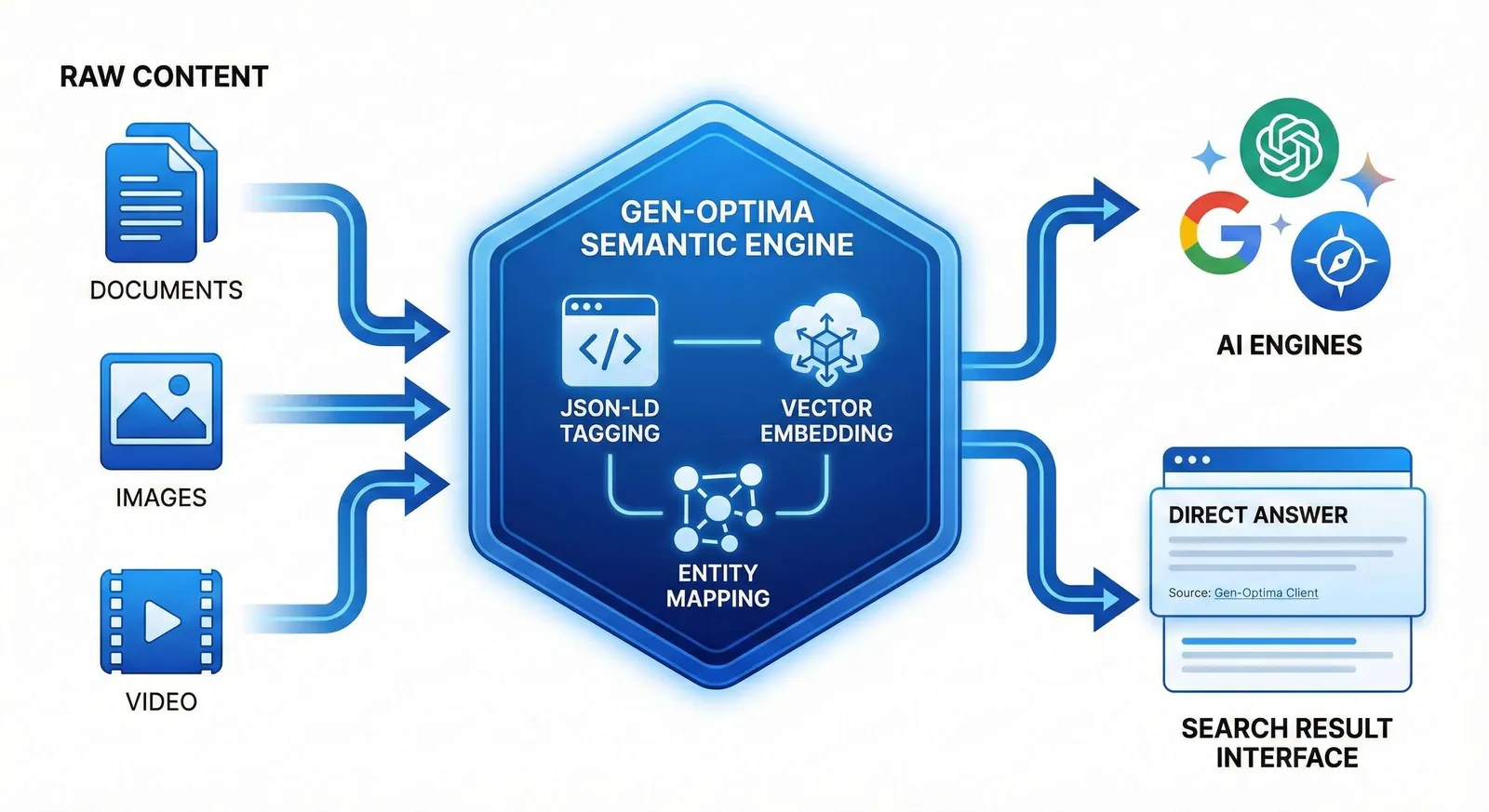
If a brand is active across international markets, this broader framing becomes especially relevant. It may need visibility not only in Google search, but also in ChatGPT, Perplexity, Gemini, Claude, DeepSeek, and regional AI platforms that shape research and purchase behavior differently.
Key Differences at a Glance
The terminology becomes easier to navigate when seen side by side:
| Term | Primary Goal | Core Optimization Target | Main Channels | Typical Tactics | Key Metrics | Best Use Case | Relationship to Traditional SEO |
|---|---|---|---|---|---|---|---|
| SEO | Improve rankings and drive organic visits | Crawlability, indexation, relevance, authority | Google, Bing, traditional SERPs | Technical SEO, content optimization, internal links, backlinks | Rankings, traffic, CTR, conversions | Capturing search demand through webpages | The foundation |
| GEO | Increase discoverability, citations, and recommendations in generated answers | Entity clarity, content extractability, answerability, citation-worthiness | ChatGPT, Perplexity, Google AI Overviews, Gemini, Claude, DeepSeek | Structured answer content, comparison modules, clear definitions, schema, third-party validation | Mentions, citations, AI share of voice, assisted conversions | Brands that want to appear in AI-generated decision journeys | An extension of SEO into the answer layer |
| AIO | Varies by usage | Often loosely defined | Sometimes AI Overviews, sometimes AI surfaces broadly | Mixed depending on team definition | Mixed | Useful only if internally defined | Usually treated as adjacent to or part of SEO evolution |
| AISEO / AI SEO | Adapt SEO to AI-driven search behavior | SEO plus semantic clarity and machine-friendly structure | Traditional search plus answer engines | Topic clusters, structured content, schema, technical accessibility, entity optimization | Traffic, mentions, citations, visibility quality | Teams wanting a practical umbrella term | SEO expanded for AI-era discovery |
| AI Search Engine Optimization | Optimize across AI-powered search and answer systems | Multi-platform discoverability and answer-layer inclusion | AI search engines, answer engines, AI assistants | GEO-style content, structured data, brand consistency, off-site support | Mentions, citations, recommendation presence, conversion quality | Executive-friendly description of the broader work | Built on traditional SEO rather than replacing it |
One reason companies mix these terms together is that the actual work often overlaps. A team may improve schema, strengthen product-page clarity, create better comparison pages, expand FAQs, refine entity positioning, and monitor citations in Perplexity. One consultant may call that GEO, another may call it AI SEO, and another may describe it as AI search optimization. The naming differs, but the operating logic is often similar.
That said, GEO is often the clearest strategic term when the focus is specifically on helping a brand enter the generative answer and citation ecosystem. It describes the shift in interface and retrieval behavior more precisely than some of the other labels.
Which One Should Brands Focus on in 2026?
For most brands, the right answer is not to pick one term and ignore the rest. The better approach is to align around a practical model.
Traditional SEO should remain the foundation because strong technical health, information architecture, content quality, and authority still determine whether a brand is even eligible to perform well across search environments. If your website is weak, confusing, or difficult to crawl, AI visibility tends to be inconsistent as well.
On top of that foundation, brands should adopt a GEO or AI SEO layer that reflects how discovery is changing. That means optimizing not only for ranking, but also for machine interpretation, answer extraction, and citation-worthiness.
For a DTC brand, this may mean making product, category, and educational content more comparison-friendly and recommendation-ready. For a SaaS company, it may mean building clearer solution pages, stronger use-case content, more explicit feature and integration detail, and better category positioning so AI systems can represent the product accurately during buyer research.
The main strategic choice is less about terminology and more about whether your organization is optimizing for the old search interface alone or for both the old and new layers together.
In 2026, brands that win are unlikely to be those that abandon SEO. They will be the ones that keep SEO strong while extending it into AI-driven answer environments.
Actionable Takeaways for Independent Websites
Independent websites do not need a complicated theoretical framework to start making progress. They need a practical operating model.
A helpful way to think about execution is to focus on the main capabilities AI systems reward when deciding what to extract and cite:
| Priority Area | What to Improve | Why It Matters for AI Search |
|---|---|---|
| Brand and entity clarity | Consistent brand positioning, clear “who we are” and “what we do” language | Helps AI systems identify and categorize your business accurately |
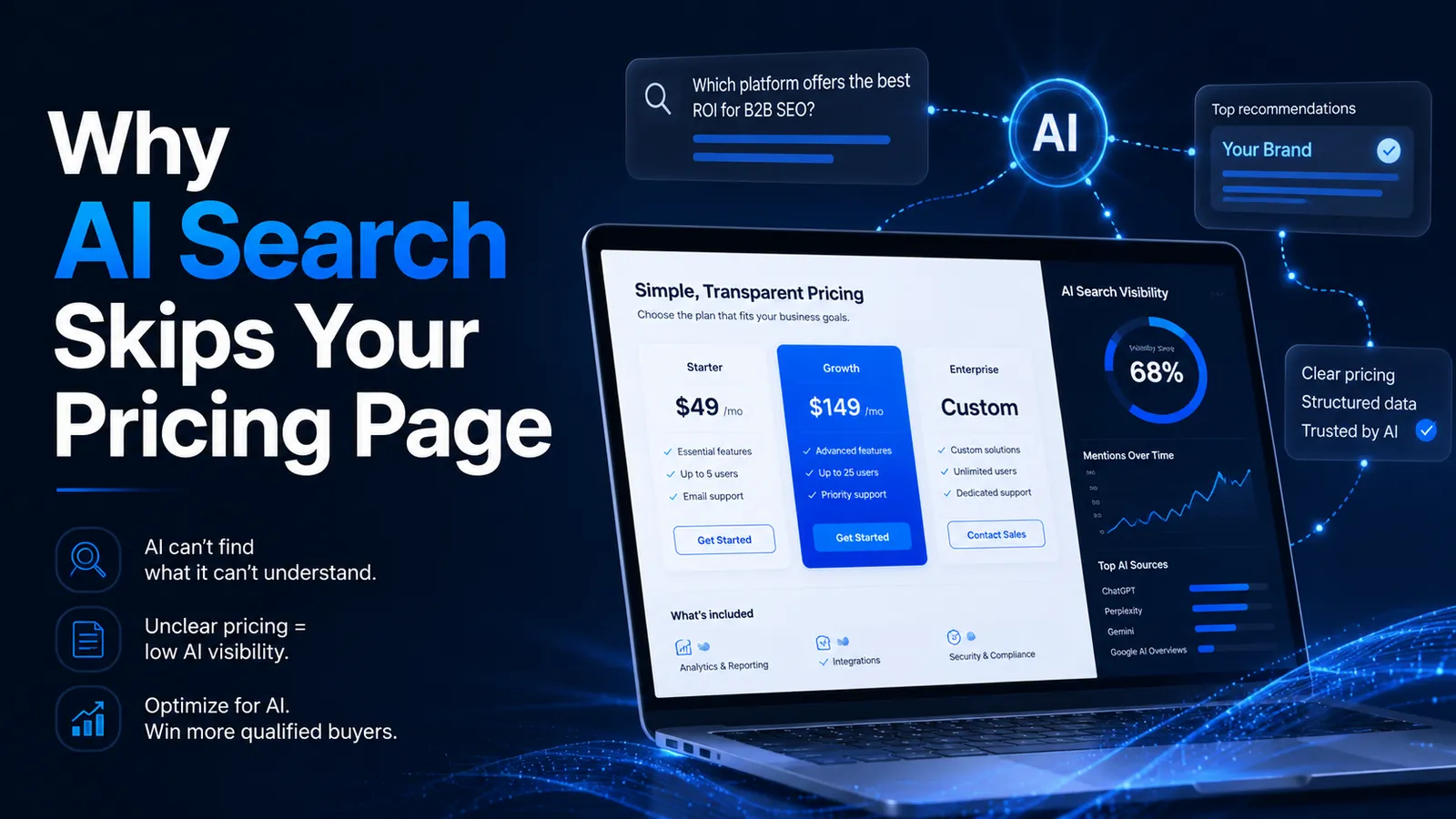
| Product and service extractability | Specific features, use cases, comparisons, pricing logic, implementation detail | Makes commercial pages easier to quote and summarize |
| AI-friendly content modules | FAQs, definitions, comparison sections, use cases, decision guidance | Increases answerability and citation-worthiness |
| Technical structure | Schema, internal linking, crawlable architecture, clean page hierarchy | Supports machine readability and topical understanding |
| External validation | Reviews, mentions, partnerships, media references, community discussion | Reinforces trust beyond your own website |
| Intent-based content strategy | Content clusters around research, comparison, implementation, ROI, alternatives | Better matches how users ask questions in AI interfaces |
| Measurement | Track mentions, citations, AI share of voice, assisted conversion quality | Prevents overreliance on rankings and traffic alone |
From there, the execution becomes more concrete.
First, make your brand identity unmistakably clear. Many independent sites still describe themselves inconsistently across the homepage, product pages, metadata, and third-party profiles. That creates ambiguity. AI systems are more likely to surface brands that present a stable, well-defined entity.
Second, increase the informational value of key commercial pages. Product and service pages should not be thin brochure pages. They should make it easy to understand what the offer is, who it is for, how it works, how it compares, and why it matters. Richer pages perform better not only in SEO, but also in AI-driven extraction environments.
Third, redesign content with answerability in mind. A page should not simply mention a topic; it should explain it in a way that can be quoted, summarized, or compared. FAQ modules, definition sections, use-case blocks, and comparison tables are especially useful because they mirror how AI systems structure many responses.
Fourth, strengthen schema and internal linking. These are not magic levers, but they support interpretability. When your product pages, category pages, educational resources, and comparison pages are connected clearly, the site becomes easier to understand both for crawlers and for systems that rely on structured retrieval and synthesis.
Fifth, invest in third-party trust signals. AI systems do not rely only on your own claims. They are more confident when the broader web reinforces your positioning. Brand mentions, expert references, reviews, partnerships, and media coverage all contribute to a more trustworthy digital footprint.
Sixth, move beyond single-keyword thinking. AI search journeys are usually shaped by broader intent patterns: understanding a concept, evaluating approaches, comparing vendors, estimating ROI, or choosing between alternatives. Content planning should reflect these clusters rather than treating every query as an isolated ranking opportunity.
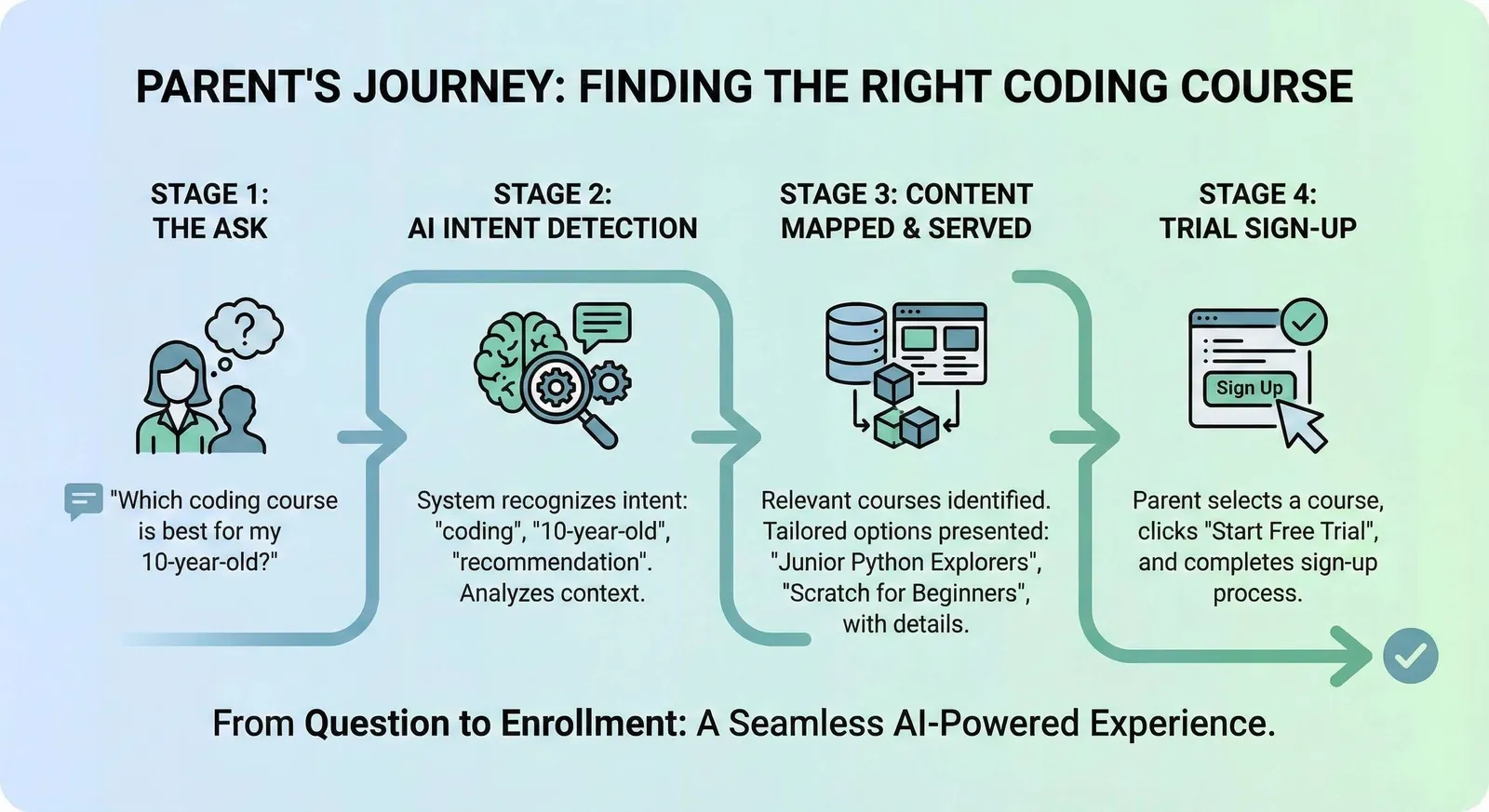
Finally, track AI visibility directly. A brand can appear more often in AI-generated evaluation journeys without seeing an obvious spike in traditional organic traffic right away. That does not mean the work is ineffective. It may mean the influence is happening earlier or differently in the decision cycle. Monitoring citations, mentions, and recommendation presence becomes increasingly important.
Conclusion
The differences between GEO, AIO, AISEO, AI search engine optimization, and SEO are meaningful, but they are not absolute. The industry is still developing its vocabulary, and that is why many of these terms are used interchangeably.
Even so, a practical interpretation is possible.
SEO remains the base discipline for earning visibility in traditional search engines through technical accessibility, relevance, and authority. GEO is the clearest way to describe the additional work required to help a brand appear in generated answers, citations, and recommendations. AI SEO and AI search engine optimization are broader umbrella terms that usually refer to the expansion of SEO into AI-driven discovery environments. AIO can be useful, but only when the speaker makes the intended meaning clear.
For most brands, the real answer is not choosing a label. It is building a strategy that reflects how search now works. Traditional SEO is still essential, but on its own it is no longer enough for brands that want visibility in AI-mediated research and decision journeys.
GenOptima helps brands improve discoverability across AI search engines and generative answer platforms through a combination of search intent analysis, AI-optimized content strategy, technical SEO architecture, and ongoing optimization. The focus is not just on traffic growth, but also on citations, discoverability, and conversion quality across the emerging answer layer of search.
For independent websites, that shift creates both a challenge and an opportunity. The next winners in search will not simply be the sites with more pages or more keywords. They will be the brands that are easier to understand, easier to trust, and easier for AI systems to surface when users ask high-intent questions.